Swedish
  English
  German
  Spanish
  Portuguese
  French
  Dutch
Dutch  Arabic
How Much Are Hair Extensions? Complete Guide to Pricing in 2026
Human hair extensions are a popular way to add length, volume, or a new look. Wondering how much are hair extensions? Prices vary widely — the main drivers are the type of extension, hair quality, installation method, and where you buy them.
This guide breaks down typical price ranges, compares options (clip-ins, tape-in, sew in extensions, fusion hair extensions), and explains installation and maintenance so you can estimate the total cost and choose the best value for your natural hair and budget.
1. Hair Extensions Pricing Factors
Before you compare quotes, here are the main factors that determine hair extensions cost and the resulting value you should expect.
What drives the price?
- Hair type — synthetic hair is cheapest; human hair (Remy, virgin, cuticle-aligned) costs more but delivers better quality, longevity, and a natural look.
- Hair quality — higher-grade human hair (cuticle-aligned, single-donor Remy) raises the price but improves styling, color-matching, and lifespan.
- Extension type & application method — clip-in and halo extensions are low-cost DIY options; tape-in hair extensions, sew-in wefts, fusion (keratin) and microlink require professional installation and higher investment.
- Length, weight, and volume — longer or thicker sets need more grams/bundles and raise the price; explain to your stylist the look and volume you want.
- Salon or stylist fees — experienced stylists charge more; professional installation often includes blending, cutting, and styling time.
- Maintenance and reinstallation — plan for regular touch-ups (weeks/months depending on method) and occasional replacement; maintenance adds to the total cost over time.
Quick take: temporary options (clip-in, halo) are cheapest upfront; semi-permanent (tape-in, sew-in) cost more but last longer; fusion/keratin and hand-tied methods have the highest upfront cost but can offer the best natural movement and longevity.
Estimate checklist: when getting a quote ask whether the price includes hair, installation, and follow-up maintenance — that final figure is the true hair extensions price you’ll pay.
| Type of Hair Extension | Typical Price Range (USD) | Longevity | Installation Method | Anteckningar |
| Clip-In Hair Extensions | $50–$400 | Reusable — months with care | DIY | Lowest investment; ideal for occasional volume/length |
| Halo Hair Extensions | $100–$500 | 6–12 months | DIY | Damage-free, easy for daily wear |
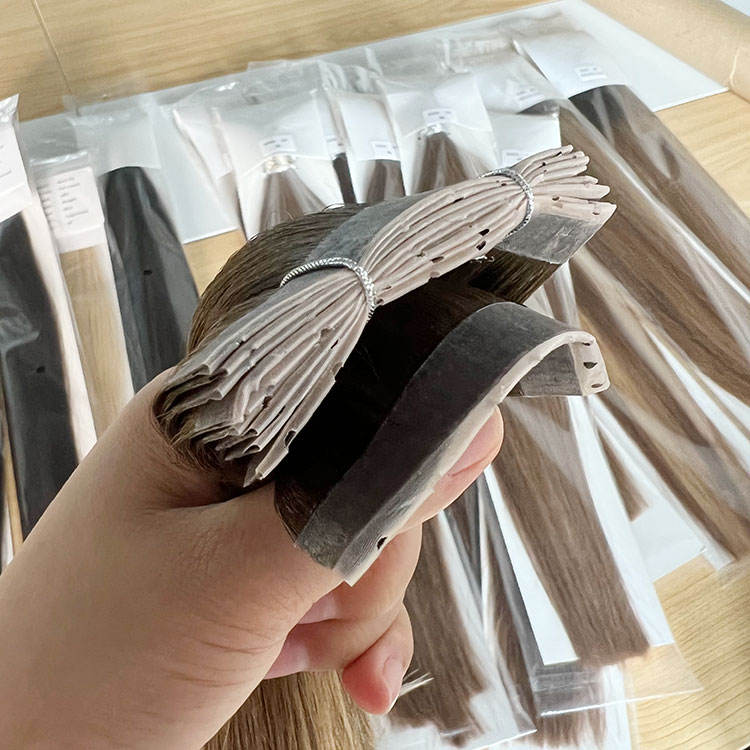
| Tape-In Hair Extensions | $150–$800 | 4–8 weeks per move-up (sets reusable) | Professional preferred | Lightweight, good for fine-to-medium hair |
| Sew-In / Weft Hair Extensions | $200–$1,000+ | 6–12 weeks per application | Professional only | Durable and natural—best for thicker hair or heavy volume |
| Sew-In Human Hair Weft Extensions | $300–$1,500+ | 6–12 weeks per application | Professional only | Premium choice for a natural look and longer life |
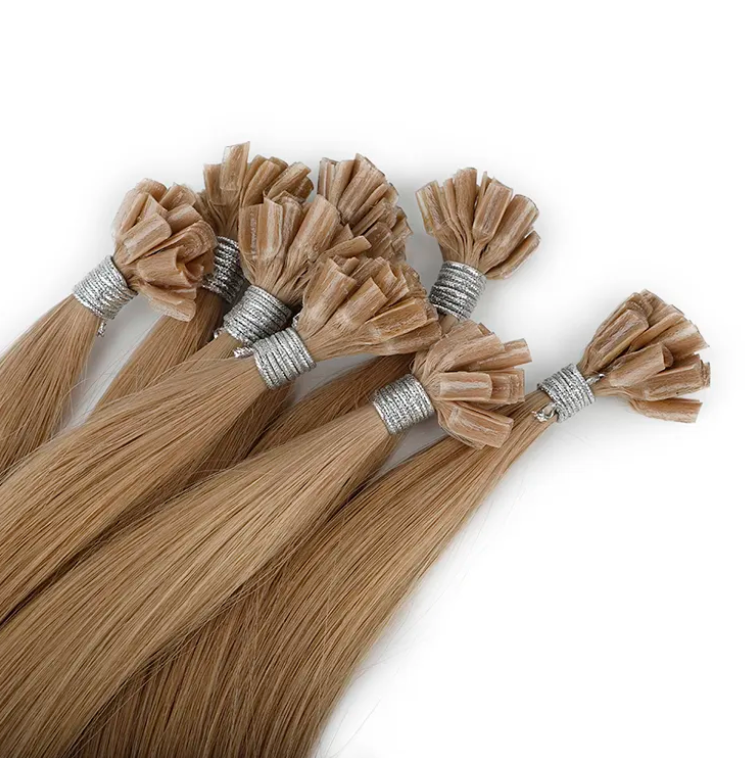
| Fusion Hair Extensions (Keratin / I-Tip / U-Tip) | $300–$2,500+ | 3–6 months (with move-ups) | Professional only | Most expensive up front; offers the most natural movement |
| Microlink / Microbead Extensions | $300–$1,000 | 2–4 months before maintenance | Professional only | Adhesive-free option; requires regular upke |
Tips for buyers:
- Always calculate total cost = hair price + installation fees + expected maintenance over 6–12 months.
- Ask about hair origin and quality (Remy, virgin, cuticle-aligned) to compare true value, not just sticker price.
- Reusable options like clip-ins and tape-ins can lower long-term costs if you plan to reuse sets.
- For weft hair extensions and sew-in wefts, professional installation is usually safer and extends longevity — factor in stylist time and experience when comparing quotes.
Example scenarios (rough estimates):
- Shoulder-length, medium volume (2–3 bundles of human hair) — hair $100–$300 + installation $100–$300 → total ≈ $200–$600.
- Long, thick volume (4–6 bundles or equivalent weft) using sew-in human hair — hair $300–$900 + pro installation $200–$600 → total ≈ $500–$1,500+.
If you want an accurate estimate for your hair type and desired look, get a salon quote or contact a trusted supplier with your length, density, and preferred method, they can recommend grams/bundles and a realistic extensions cost.
2. How Much are Sew In Hair Extensions?
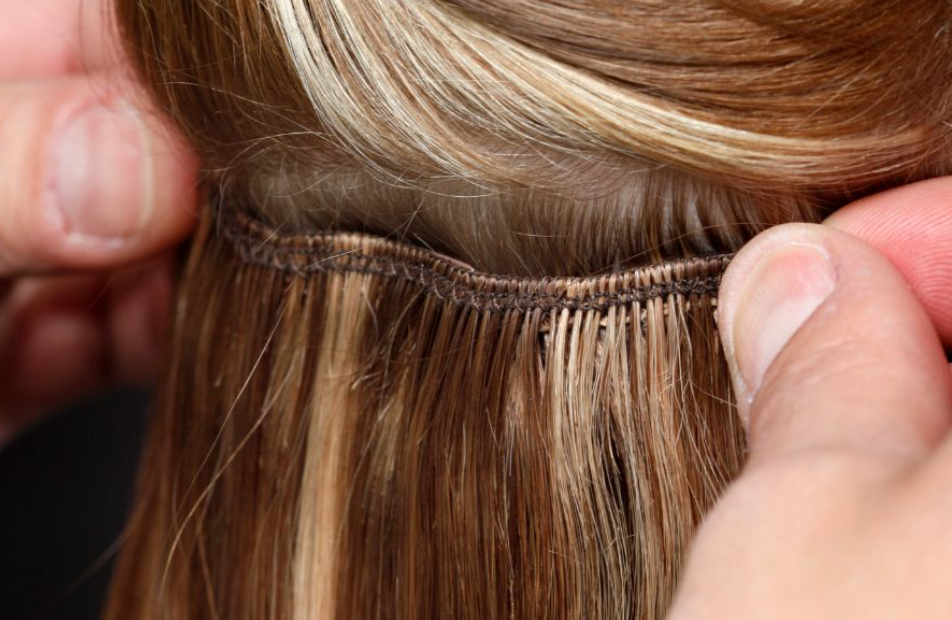
Sew in extensions are a professional option that combines wefts of hair with braided natural hair. Typical total costs range roughly from $200 to $1,500+ depending on whether the quote includes human hair wefts (Remy/virgin), the number of bundles/grams needed, and the stylist’s installation fee.
Most clients wear sew-ins for about six to 12 weeks before a reinstallation or move-up. Maintenance visits can include rebraiding, trimming, and a careful scalp wash — tasks a stylist usually handles because cleaning under a sew-in can be tricky.
Quick checklist before your appointment
- Decide your desired length and volume — this determines how many bundles (typical: 2–4 for medium volume, 4–6+ for thick hair).
- Confirm whether the quoted price includes human hair (Remy/virgin) or cheaper synthetic wefts.
- Check scalp health — active irritation or thinning may change the recommended method.
- Ask the stylist for a breakdown: hair cost, installation time/fee, and follow-up maintenance pricing.
When to choose a sew-in
Sew-ins suit those who want a long-wearing, natural look and have medium-to-thick natural hair. They’re a good choice when you need substantial volume or a dramatic length change.
Sample cost scenarios
- Shoulder-length, medium volume — approx. 2–3 bundles of human hair: hair $100–$300 + installation $100–$300 → total ≈ $200–$600.
- Long, thick volume — approx. 4–6+ bundles or equivalent weft: hair $300–$900 + professional installation $200–$600 → total ≈ $500–$1,500+.
 3. How Much are Tape in Hair Extensions?
 3. How Much are Tape in Hair Extensions?
Tape-in hair extensions typically run about $200 to $800 per set, depending on whether you choose human hair (higher quality) or synthetic tape-ins. Tape-ins attach with thin adhesive strips and are popular because they lie flat and blend well for a natural look.
Sets can be reused for up to a year with proper care, but you’ll need salon visits every four to eight weeks to have the extensions removed, cleaned, re-taped, and moved up to match hair growth. The exact number of move-ups depends on your hair growth rate and how well you maintain the set.
Pros & Cons
- Fördelar: Lightweight, natural look, low-profile application — great for fine-to-medium hair.
- Nackdelar: Requires regular salon maintenance; adhesive can be sensitive to oils or certain hair products.
Estimate your annual cost
Example calculation: 1 set ($200–$800) + 3 move-ups at $50–$150 each = roughly $350–$1,250 for the first year. Ask your stylist for exact move-up pricing when you get a quote.
4. How Much are Permanent Hair Extensions
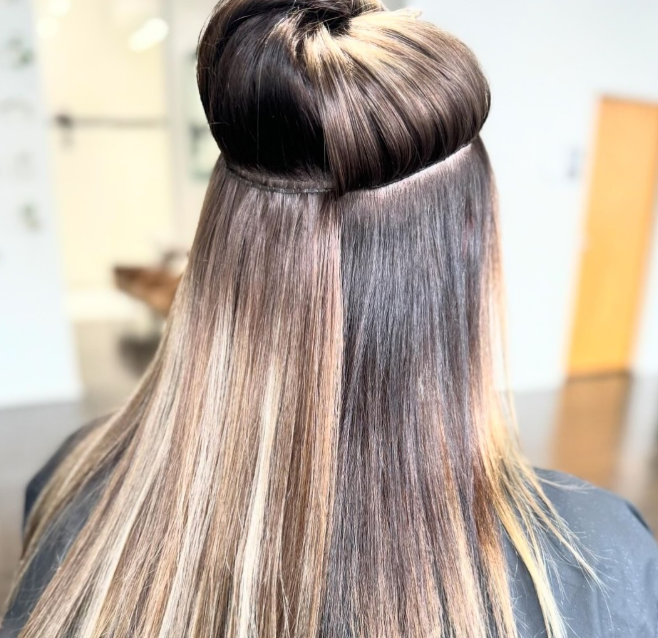
Permanent hair extensions (often called long wearing or sem-permanent) are professionally applied methods that stay attached for weeks or months at a time. Common application methods include keratin fusion hair extension(K tip hair extension), I-tip/U-tip, microbeads, sewn wefts, and hand-tied wefts. Unlike clip-in or halo extensions, these are not removed daily and behave like natural hair when installed correctly.
Price range for permanent methods typically falls between $500 and $2,500+ depending on the method, quality of human hair (Remy/virgin), total length/volume required, and the stylist or salon. Keratin fusion and hand-tied installations tend to be toward the higher end because of labor and hair quality requirements.
With proper care and scheduled move ups, permanent extensions usually last about 3 to 6 months before a full replacement or major adjustment is needed. They offer the most natural movement and styling versatility (heat tools, styling) but require professional removal and reapplication when necessary.
Who should choose permanent methods?
Choose permanent extensions if you want a long wearing, natural look and are prepared to invest in professional installation and maintenance. They’re ideal for clients who frequently style their hair and need durable length or volume.
Budget example (6-month estimate)
Sample: mid-range keratin bonds fusion with quality human hair — hair and install $800–$1,800 + one move-up/maintenance visit ≈ $100–$300 → estimated 6-month cost ≈ $900-$2,100. Ask salons to break down hair vs. installation vs. maintenance so you can compare true costs.
5. Salon Installation Costs
If you’re comparing salon quotes, remember the install price is only part of the equation — hair cost + stylist fee + maintenance = the true hair extensions cost. Below are the key salon factors that affect the final price.
What to consider when getting a salon quote
- Installation method: sew in hair extensions, tape in extensions, fusion/keratin or microlink — each requires different time and skill levels and affects cost.
- Stylist experience & location: experienced technicians and high-rent salon locations typically charge higher installation fees.
- Time required: some methods take 1–2 hours (clip in hair extension/halo), others 3–6+ hours (fusion, sew-in), so hourly chair time multiplies the cost.
Questions to ask your hair stylist
- Does the price include the hair, or is it installation-only?
- How many bundles/grams will I need for my desired length and volume?
- What’s your estimated time for the service and follow-up move-ups?
- Do you offer a warranty, repair policy, or discounted reinstallation?
Professional salon installation usually delivers the most natural look and longest lasting result. Salon prices can range from around $200 for basic installs (often excluding hair) up to $2,000+ for premium human hair plus labor-intensive methods. Ask for a detailed breakdown so you can compare true costs between salons.
Tip: book a consultation — many stylists provide a written estimate that lists hair cost, installation fee, expected move-ups, and timing so you can plan the total investment.
6. Where to Buy Hair Extensions?
You can buy extensions from several reliable channels — each has trade offs in price, minimum order size, quality control, and support. Below are common options and what to ask before you buy.
- Dedicated online hair‑extension suppliers and wholesalers — Pros: wide selection of human hair wefts, bundles, and types hair extensions (tape-in, sew-in, clip-in); good product info and sample policies. Cons: unit pricing higher than factory-direct but lower lead times.
- Wholesale marketplaces / directories — Pros: good for salons or retailers looking for bulk pricing and multiple brands. Cons: minimum orders and varying quality; verify vendor reviews and sample availability.
- Mid‑sized hair shops / beauty‑supply websites — Pros: easier for individuals and small salons to order ready-to-use extensions; often include styling advice. Cons: selection smaller than dedicated wholesalers.
- Manufacturer / factory direct suppliers — Pros: often the lowest cost per gram or per bundle and options for custom orders (raw, virgin, single-donor). Cons: larger minimums, potential quality variation, and longer lead times — buy samples and check certifications.
How to verify supplier quality
- Ask for origin and processing details (Remy/virgin labeling, single-donor if offered).
- Request photos or a sample swatch to check cuticle alignment and natural look.
- Check return policy, warranty, and customer reviews for real-world reliability.
- Confirm grams per bundle and recommended bundles for your length and volume needs.
Buyer persona guidance
- Consumer (1–2 sets): mid‑sized shops or dedicated online suppliers — easier ordering, samples, and returns.
- Salon / retailer (bulk): wholesale marketplaces or manufacturer direct — better per-unit cost but check minimums and quality control processes.
No matter where you buy, prioritize verified human hair options if you want quality hair extensions that blend naturally and last longer. When in doubt, request a small sample and a detailed invoice breaking down hair cost versus any processing or shipping fees.
7. Key Factors Affecting Hair Extensions Cost
How much are hair extensions? The answer depends on a handful of consistent cost drivers. Understand these and you can estimate the true investment and value.
- Hair type: Synthetic hair is the least expensive. Human hair (Remy hair, virgin hair , cuticle aligned hair) costs more but provides higher quality hair, better styling, and longer longevity, which often offers better value over time.
- Quality: Single donor or cuticle aligned human hair commands premium prices. Ask hair suppliers about processing, origin, and whether the hair is true Remy or virgin.
- Length & thickness: Longer lengths and heavier grams/volume increase the price; doubling desired length or volume typically requires significantly more bundles.
- Application method: DIY options like clip in hair and halo hair extensions cost less upfront. Professional application (tape in hair, sew in weft, fusion/keratin tip hair, micro link) adds installation fees but can improve the natural look and longevity.
- Salon vs DIY: Salon services raise initial costs (stylist skill, time, salon overhead) — but professional installation often delivers the most natural result and reduces mistakes that could shorten extensions’ life.
- Maintenance & longevity: Regular care (move ups, re-taping, professional cleans) extends how long extensions last but increases ongoing costs measured in monthly or per-visit fees.
Bottom line: Temporary options (clip in extensions, halo extensions) have the lowest upfront investment and are ideal for occasional wear. Semi-permanent options (tape-in, sew in wefts) cost more but last longer and suit regular wearers. Luxury fusion hair or keratin extensions are the highest upfront costs but provide superior natural look and movement for people who want a long-term solution.
Sample 6–12 month investment estimates
- Temporary (clip in/halo extensions): $50–$500 for quality sets. Minimal maintenance — total 6–12 month cost ≈ $50–$600.
- Semi-permanent (tape in hair extension, sew in): $150–$1,500 initial (depending on human hair vs synthetic and installation). Plus periodic move-ups (every 4–12 weeks) — estimated 6–12 month cost ≈ $350–$1,800.
- Permanent/long-wearing (fusion/keratin, hand-tied): $500–$2,500+ upfront with professional installation and scheduled maintenance — estimated 6–12 month cost ≈ $900–$2,500+ depending on method and hair quality.
How to get an accurate price
- Request a written quote that separates hair cost, installation fee, and expected maintenance (move-ups, re-taping, or removal).
- Ask for recommended grams/bundles for your length and desired volume so you can compare true costs between hair suppliers and stylists.
- Request sample swatches or photos and confirm return/warranty policies — quality hair and accurate color-matching reduce long-term replacement costs.
If you’re budgeting for extensions, start by deciding the look you want, confirm whether you prefer human hair extensions for a natural look and longer lifespan, then get 2–3 detailed quotes from trusted salons or suppliers to compare the full cost and value.