English
  German
  Spanish
  Portuguese
  French
  Dutch
Dutch  Swedish
  Arabic
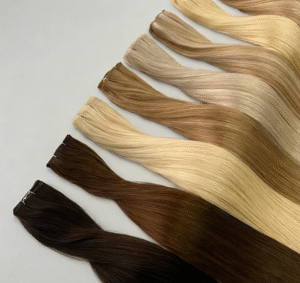
Choosing the right hair extensions can be difficult because there are many different types, application methods, and hair qualities available. The most common types of hair extensions include tape-in, K-tip, I-tip, weft, genius weft, clip-in, and nano ring extensions.
Each method has different advantages in terms of application, maintenance, longevity, comfort, and suitability for different hair types. Understanding these differences can help salons, stylists, distributors, and individual users choose the right hair extensions for their needs.In this guide, we explain the different types of hair extensions, how each method works, and what to consider when choosing human hair extensions.
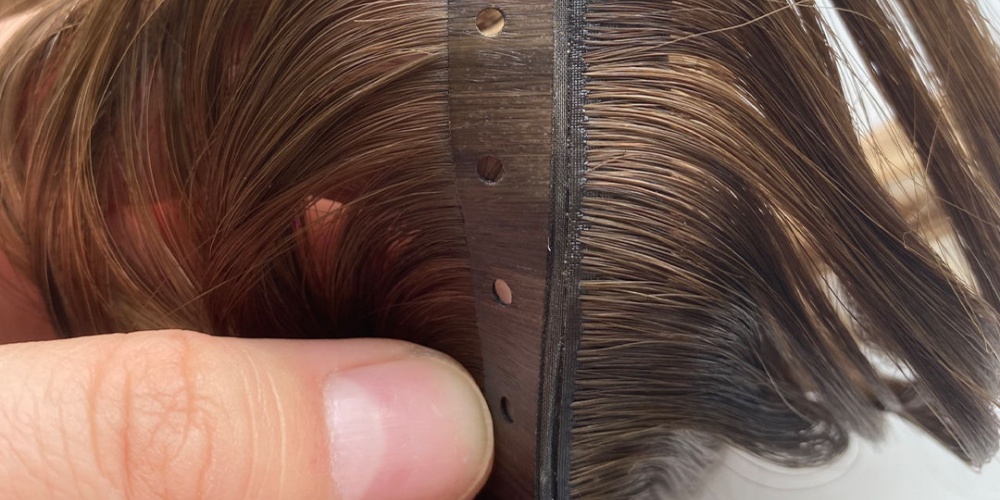
What Are the Different Types of Hair Extensions?
Hair extensions can be categorized by their attachment method. The most popular types of human hair extensions include:
| Hair Extension Type | Application Method | Typical Maintenance | Best For |
| Tape-In Extensions | Adhesive tape | About 6–8 weeks | Fine to medium hair |
| K-Tip Extensions | Keratin bond + heat | About 3–4 months | Long-term wear |
| I-Tip Extensions | Microbeads | About 6–8 weeks | No-heat application |
| Genius Weft | Beads, sewing, or other methods | About 6–8 weeks | Lightweight volume |
| Hand-Tied Weft | Beads or sewing | About 6–8 weeks | Natural-looking volume |
| Clip-In Extensions | Clips | Removed after use | Temporary styling |
| Nano Ring Extensions | Nano rings | About 6–8 weeks | Discreet application |
The actual lifespan and maintenance schedule can vary depending on the hair quality, installation technique, natural hair growth, lifestyle, and aftercare routine.
<Related Article:Fusion Hair Extensions 101>
1. Tape-In Hair Extensions
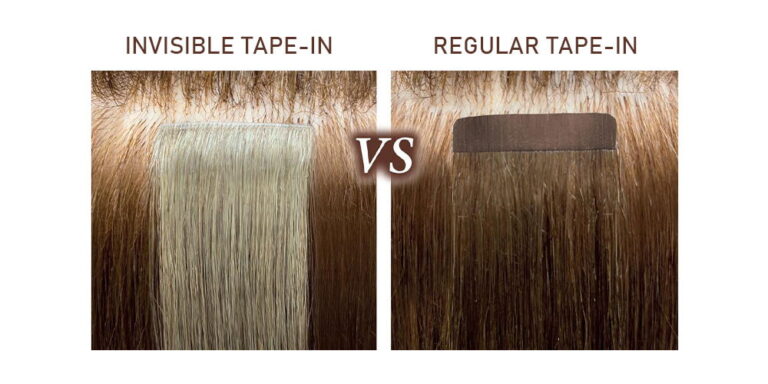
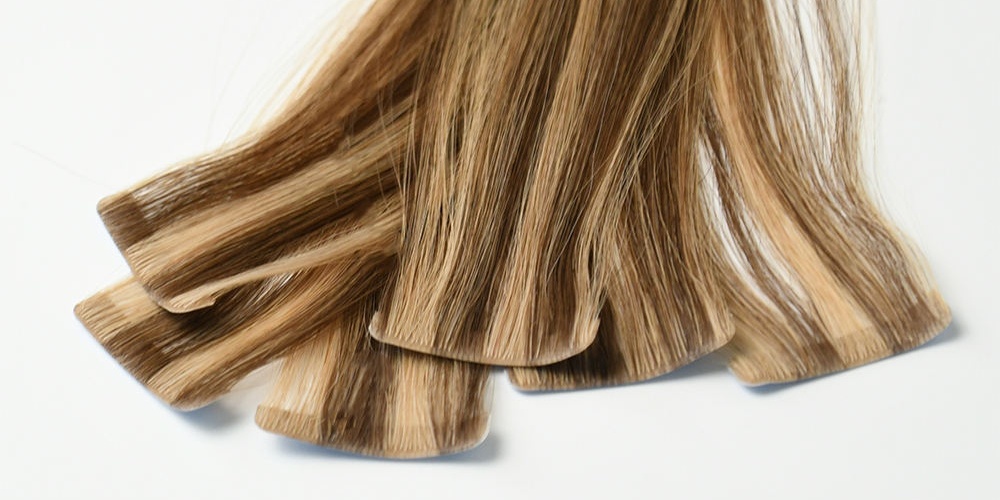
Tape-in hair extensions are one of the most popular semi-permanent hair extension methods. They consist of thin sections of hair attached to adhesive tape and are applied by sandwiching a section of natural hair between two extension pieces.
Tape-in extensions are known for their flat attachment, lightweight feel, and relatively fast application. They are commonly used by professional salons because they can provide length and volume without creating a bulky attachment.
<Related Article:Tape In Hair Extensions 101: Everything You Need to Know Before Buying>
Who Are Tape-In Extensions Best For?
Tape-in extensions can be suitable for people with fine to medium-density hair who want additional length or volume. They are also a popular option for clients who prefer a relatively quick salon application.
2. K-Tip Hair Extensions
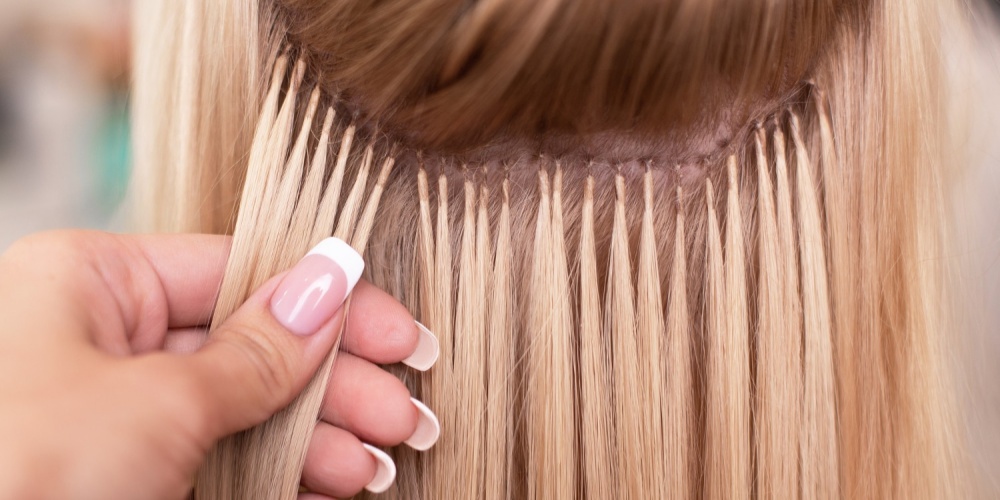
K-tip hair extensions, also called keratin tip or keratin bonded hair extensions, have a small keratin bond attached to the top of each strand or bundle of hair. A professional stylist uses a heat application tool to soften the keratin bond and attach the extension to the natural hair.
K-tip extensions are particularly popular in professional salons and are available in Remy human hair, virgin hair, double-drawn hair, and customized color options.
3. I-Tip Hair Extensions
I-tip hair extensions are strand-by-strand extensions that are attached using small beads or micro rings rather than heat or adhesive. The extension is inserted into a small section of natural hair, and a bead is clamped into place to secure it. One of the main advantages of I-tip extensions is that they are generally applied without heat and glue.
Why Choose I-Tip Extensions?
I-tip extensions can be a good option for clients who prefer a no-heat application method. They also allow stylists to remove and reposition the extensions during maintenance. Because the attachment method is reusable, I-tip extensions can be particularly attractive to professional salons looking for a flexible hair extension solution.
4. Genius Weft Hair Extensions
Genius weft hair extensions feature a thin, flexible weft that adds length and volume while keeping the application discreet and natural-looking. The flexible construction also gives stylists more freedom during installation, and depending on the product design, the weft can be cut to the required length for a more customized fit. This combination of a traditional weft format with a thinner and more flexible design makes Genius Wefts a practical choice for clients who want fuller hair without a bulky feel.
Benefits of Genius Weft Extensions:
Genius Weft Extensions feature a thin and lightweight construction that feels comfortable in the hair without creating unnecessary bulk. The flexible weft makes installation easier and gives stylists more freedom when working with different sections of the hair. With the right color and application, they provide a natural-looking appearance that blends well with the client’s own hair. The weft can be customized to different application areas, allowing stylists to adjust the length and placement as needed. They are also suitable for professional salon use and come in different colors, lengths, and hair qualities, making it easier to find the right option for different clients and styling needs.
For salons, wholesalers, and hair brands, genius weft hair extensions wholesale can be offered in different specifications, including double-drawn human hair and customized colors.
5. Hand-Tied Weft Hair Extensions
Hand-tied weft hair extensions are made by manually tying individual strands of hair onto a thin weft, creating a lightweight construction that sits relatively flat against the head. They can be installed using beads, sewing, or other professional methods, giving stylists flexibility depending on the client’s hair and desired result. For clients looking for added length and volume without a bulky attachment, hand-tied wefts can provide a comfortable and relatively discreet option.
Genius Weft vs. Hand-Tied Weft
Both Genius Wefts and Hand-Tied Wefts are designed to sit comfortably in the hair, but they are made differently. Genius Wefts use a flexible weft structure that gives stylists more freedom to adjust the weft during installation, while Hand-Tied Wefts are manually constructed by tying hair onto the weft. The right choice comes down to the stylist’s preferred installation method, the client’s natural hair, and the look they want to achieve.
< Related Article: K Tip Extensions VS Weft Hair Extensions >
6. Nano Ring Hair Extensions
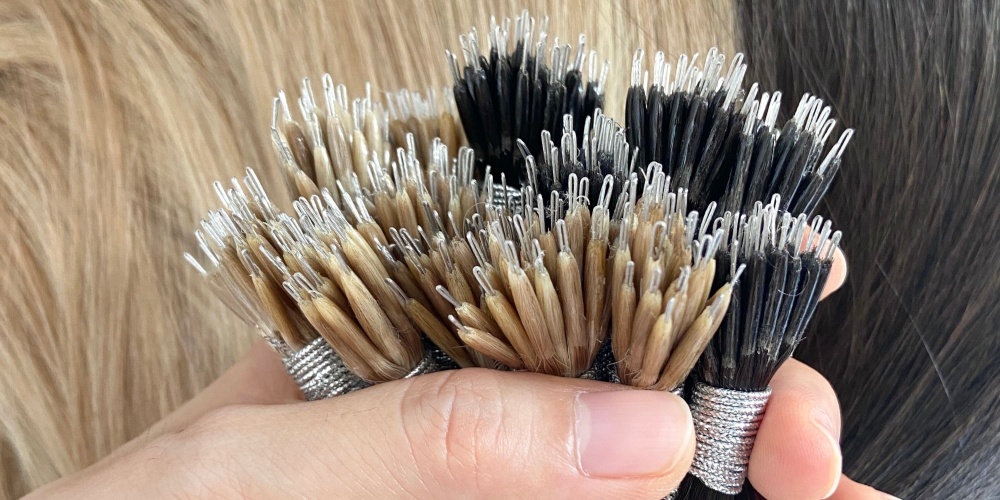
Nano Ring Hair Extensions use very small rings to attach individual strands of extension hair to the client’s natural hair. Like I-Tip extensions, they are applied without heat or glue, and the small attachment size can create a discreet, natural-looking result when installed correctly. This strand-by-strand method also gives stylists flexibility during application, while the extensions can be removed and reused, making Nano Rings a practical choice for clients who want a reusable extension method with individual strand placement.
<Related Article:Nano Ring Hair Extensions: A Complete Guide>
Permanent vs. Semi-Permanent vs. Temporary Hair Extensions
Hair extensions can also be classified by how long they are designed to stay attached. Long-term hair extensions, such as K-Tip and some other strand-by-strand methods, are designed to be worn for an extended period with regular professional maintenance. Semi-permanent hair extensions, including Tape-In, I-Tip, Nano Ring, and many weft methods, also stay in the hair for several weeks but need to be maintained, adjusted, or repositioned as the natural hair grows.
Temporary hair extensions, such as Clip-Ins, are designed to be removed after use and are a convenient option for occasional styling or special events. It is worth noting that the term “permanent hair extensions” does not mean the extensions stay attached permanently. In the hair extension industry, it generally refers to methods designed for longer-term wear compared with temporary options like Clip-Ins.

〈View More Hair Extension Products〉
< Related Article:Types of Fusion Hair Extensions >
What Type of Hair Extensions Is Best for Fine Hair?
For clients with fine or delicate hair, the weight and attachment method of the extensions are especially important. Lightweight options, such as tape-in extensions and lightweight wefts, can be suitable for some clients because they distribute the added hair across a wider area instead of putting too much weight on one section.
There is no single extension method that works for everyone. The right choice depends on the client’s natural hair density and condition, as well as how much length or volume they want to add. A professional stylist should assess the natural hair before choosing the extension type, weight, and placement.
How Long Do Different Types of Hair Extensions Last?
The lifespan of hair extensions depends on the extension method, how they are installed, and how well they are maintained. As a general guideline, most methods need some form of professional maintenance as the natural hair grows.
Typical maintenance periods include Tape-In Extensions: approximately 6–8 weeks, K-Tip Extensions: approximately 3–4 months, I-Tip Extensions: approximately 6–8 weeks, Weft Extensions: approximately 6–8 weeks, and Nano Ring Extensions: approximately 6–8 weeks. Clip-In Extensions are different because they are removed after each use rather than worn continuously.
These timeframes are general guidelines, not guarantees. Proper installation, regular salon maintenance, washing frequency, heat styling, and home care can all affect how long the extensions remain in good condition. It is also important to distinguish between maintenance time and the total lifespan of the hair itself. High-quality human hair extensions can often be reused or maintained for longer when they are properly cared for.
How to Choose the Right Types of Hair Extensions
When choosing between different types of hair extensions, consider the following factors:
1. Natural Hair Type
Fine, medium, and thick hair may require different attachment methods and extension weights.
2. Desired Length and Volume
If the primary goal is volume, a lightweight weft may be sufficient. If significant length is required, a strand-by-strand or other suitable method may be considered.
3. Application Preference
Some clients prefer adhesive-free methods, while others prefer faster application or temporary clip-in extensions.
4. Maintenance
Consider how often the client is willing to return to the salon for adjustment or repositioning.
5. Hair Quality
The quality of the extension hair has a major impact on appearance, softness, durability, and styling performance. For professional salons, wholesalers, and hair brands, it is also important to consider supplier reliability, customization options, minimum order quantities, quality control, and production capacity when selecting a hair extension manufacturer.
< Related Article: How to Choose the Reliable Hair Extension Manufacturer >
Choosing a Human Hair Extensions Manufacturer
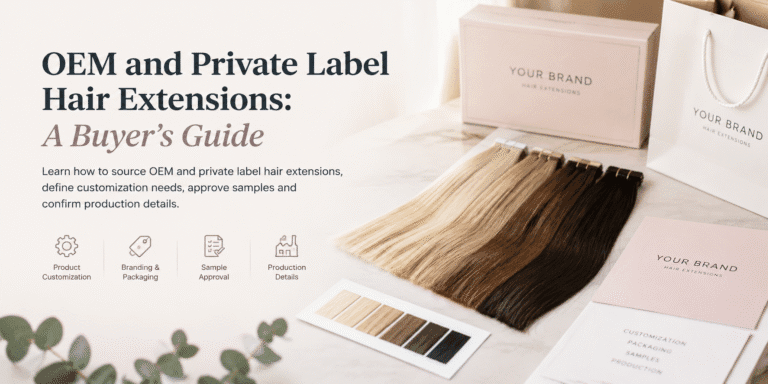
For businesses buying hair extensions wholesale, choosing the right manufacturer is just as important as choosing the right extension type. A reliable human hair extensions manufacturer should offer consistent hair quality, stable color matching, and a range of extension methods, along with customized lengths and weights to meet different market needs. It is also worth looking at the manufacturer’s quality control, production capacity, wholesale options, technical support, and ability to provide OEM, private label, and custom packaging services.
For salons, distributors, and hair extension brands, working directly with a hair extensions factory can make it easier to develop customized products and keep better control over quality, packaging, and product specifications. This can be especially useful for businesses looking to build a private-label hair extension brand or create products that are tailored to their own customers.
<Related Article:How to Choose the Reliable Hair Extension Manufacturer>
Frequently Asked Questions About Different Types of Hair Extensions
What are the different types of hair extensions?
The most common types include tape-in, K-tip, I-tip, genius weft, hand-tied weft, clip-in, and nano ring hair extensions. Each method has different installation, maintenance, and application characteristics.
Which type of hair extensions is best?
There is no universal best type. The right hair extension depends on the client’s natural hair, desired length and volume, application preference, maintenance routine, and budget.
What type of hair extensions lasts the longest?
K-tip and other long-term extension methods can remain attached for several months with proper professional maintenance. However, the actual lifespan depends on hair quality, installation, natural hair growth, and aftercare.
Are tape-in extensions good for thin hair?
Tape-in extensions can be suitable for some clients with fine or thin hair because they are lightweight and lie relatively flat. The extension weight and installation technique should be selected carefully.
Are human hair extensions better than synthetic extensions?
For clients who want a natural appearance, realistic movement, and greater styling flexibility, human hair extensions are generally preferred over synthetic alternatives.
Can human hair extensions be dyed?
Some human hair extensions can be colored, but the result depends on the original hair quality and processing. It is generally best to have coloring performed by a professional stylist.
What is the most natural-looking hair extension method?
Natural-looking results depend on hair quality, color matching, extension weight, attachment method, and professional installation. No single method is best for every client.
Final Thoughts
There are many different types of hair extensions, and each method is designed to meet different needs. For salons, wholesalers, distributors, and private-label brands, choosing the right extension method also requires consideration of human hair quality, customization, consistency, and manufacturing capabilities.
Understanding the differences between hair extension types makes it easier to select the right product for each customer and build a reliable hair extension product range.