English
 German
 Spanish
 Portuguese
 French
 Dutch
 Swedish
 Arabic
Launching a hair extension brand does not mean developing every product from scratch. Some businesses start with existing products and add their own branding, while others need changes to the product, packaging or both. The right approach depends on what you plan to sell and how much control you need over the finished product.
Manufacturers may describe these services as private label, OEM or ODM, but the terms are not used consistently across the industry. When sourcing OEM and private label hair extensions, focus on what the supplier will provide, what you need to supply and which decisions must be approved before production. A clear brief and an approved sample give both sides a practical reference for the order.
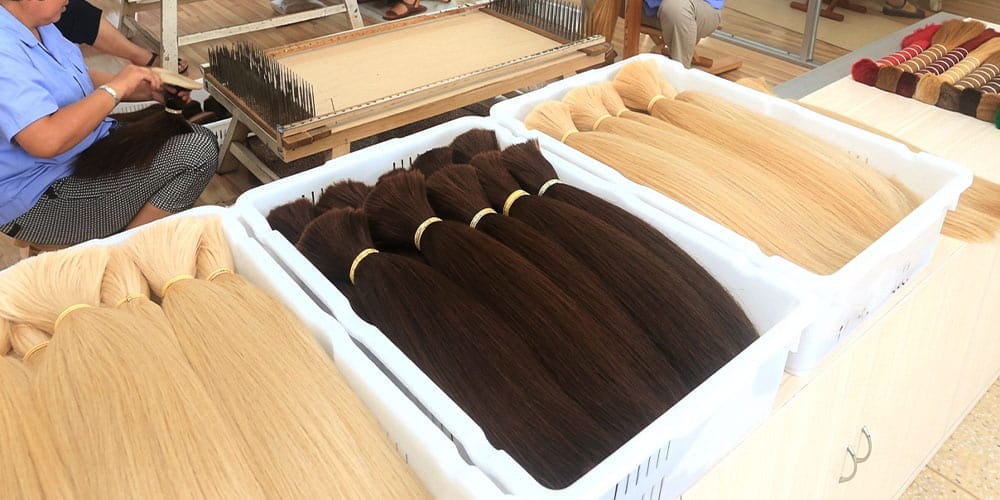
OEM and Private Label Hair Extensions: What Do They Mean?
Private label usually means selling an existing product under your own brand. The manufacturer may add your logo, labels or packaging while keeping the product within its standard specifications. This can suit a business that wants to establish a branded range without developing every detail itself. OEM often describes products made to a buyer’s requirements, while ODM usually refers to products developed or adapted by the manufacturer and sold under the buyer’s brand. These terms are not fixed, and services can overlap between suppliers.
When comparing OEM and private label hair extensions, look at the actual scope of work rather than the service name. Ask whether the quote covers branding only, product changes, packaging design or a combination of these. Confirm which specifications are standard and which require separate development before you make a decision.
〈Related Articles:How to Choose a Reliable Hair Extension Manufacturer〉
Choose the Right Starting Point for Your Brand
Before contacting a manufacturer, consider how the hair extensions will fit into your business. A salon may want a small branded selection that complements its services. An online retailer may need products for a particular customer group, while a distributor may be planning a broader assortment. These different goals can lead to different product and packaging requirements.
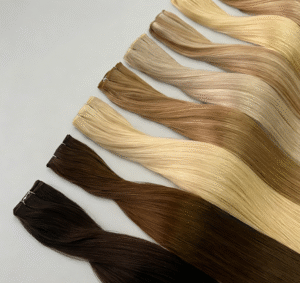
You do not need every detail settled before the first conversation, but identify the product method and specifications that matter most, including color, length, texture, weight, construction and packaging. “Blonde tape-in extensions” leaves many choices open. A useful brief includes shade references, product format and whether branding or packaging is part of the request. Customer feedback and sales records can help you separate must-haves from preferences.
〈Related Articles:How to Compare Wholesale Hair Extension Suppliers〉
Customizing OEM and Private Label Hair Extensions
Product Specifications
Customization may apply to the product itself, including color, length, weight or construction. Ask which changes are available for the specific extension method, since options offered for one product may not be available for another. Confirm how each change will appear in the order documents and whether you need to approve a revised sample.
Branding and Packaging
Adding a logo does not necessarily change the product specifications, and changing the product does not automatically include custom packaging. For packaging, agree on the format, who prepares the artwork, what product information it must include and who approves the final files.
Exclusive Designs and Approval
If you want an exclusive product or design, clarify which products the agreement covers and how long it lasts. Put any exclusivity terms in writing before production. Keep a clear record of the agreed specifications and approvals so both sides can refer to the same details.
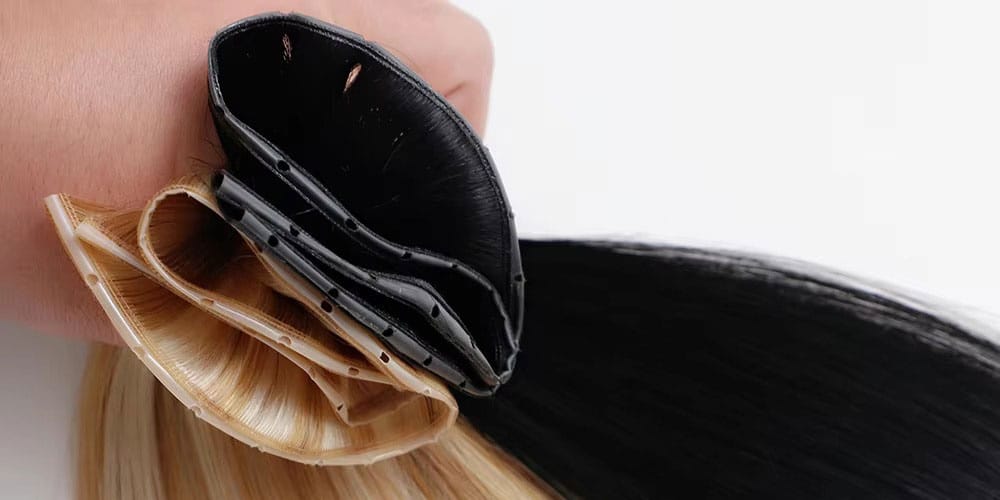
Review Product and Packaging Samples
A sample lets you check whether the proposed hair extensions match your brief before bulk production. Compare the color, length, texture, weight and construction with your specifications. For human hair extensions, assess the hair quality and attachment details that matter to your product. If you wash or style the sample, follow the manufacturer’s care instructions and note what you tested; a sample test cannot guarantee performance in every situation.
If something needs to change, be precise. Instead of saying a shade looks “too warm,” provide a color reference or a photo taken under clear lighting. Ask whether the change is possible and whether it requires another sample. Review packaging separately, including logo placement, spelling and product information. Keep the approved sample details as a reference for checking the production order. For more advice, see How to Order Hair Extension Samples from a Manufacturer.
〈Related Articles:What to Check Before Placing a Bulk Hair Extension Order〉
Confirm the Order Before Production
Once the product and packaging are approved, make sure the order documents reflect what you agreed on. If the order includes several extension methods, colors or specifications, list each product separately and include the relevant quantities, packaging requirements and agreed variations. Do not leave important details only in an email thread or assume they will carry over from a previous order.
Confirm the minimum order quantity (MOQ), unit price, customization charges, production schedule, payment terms and shipping arrangements. Ask how the supplier checks finished goods against the approved specifications and what happens if an order arrives damaged or does not match the confirmed requirements. Natural hair may vary between batches, so discuss what variation can be expected and which specifications the supplier can maintain. Keep the approved specifications, final artwork and order confirmation together, and document any changes before a repeat order goes into production.
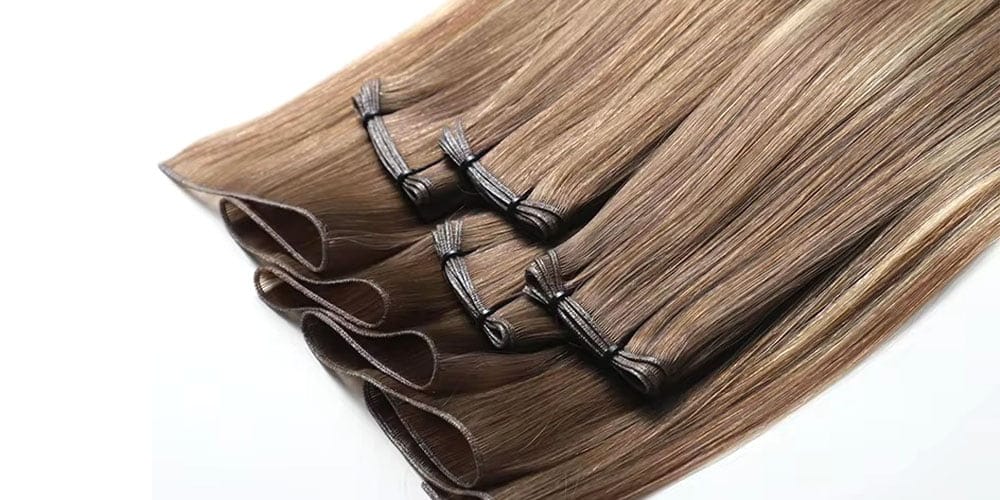
Compare OEM and Private Label Hair Extension Manufacturers
To compare quotes fairly, send each manufacturer the same brief and check what the price includes, such as product specifications, branding, packaging, samples and additional charges. Clarify any gaps before comparing totals, since a lower price may exclude services you need.
Price is only one factor. Consider whether the supplier can meet your requirements, explain customization options clearly and keep approved specifications on record. If you expect repeat orders, ask how the manufacturer manages product records and handles changes between orders. Clear communication and consistent production are important when building a long-term supply relationship.
〈Related Articles:How to Compare Wholesale Hair Extension Suppliers〉
Keep Product Claims Accurate
The product name alone may not explain how an extension is made or installed. Terms such as “keratin,” “nano,” “flat” and “feather” can refer to different features across suppliers, so confirm the construction and installation details before using technical terms in product descriptions, packaging or sales materials.
The same care applies to claims about hair quality, lifespan, reuse and maintenance. Ask the manufacturer which claims can be supported for the product you are ordering, and make sure the wording reflects its actual specifications. Accurate product information helps customers understand what they are buying and gives your team a consistent basis for answering questions.
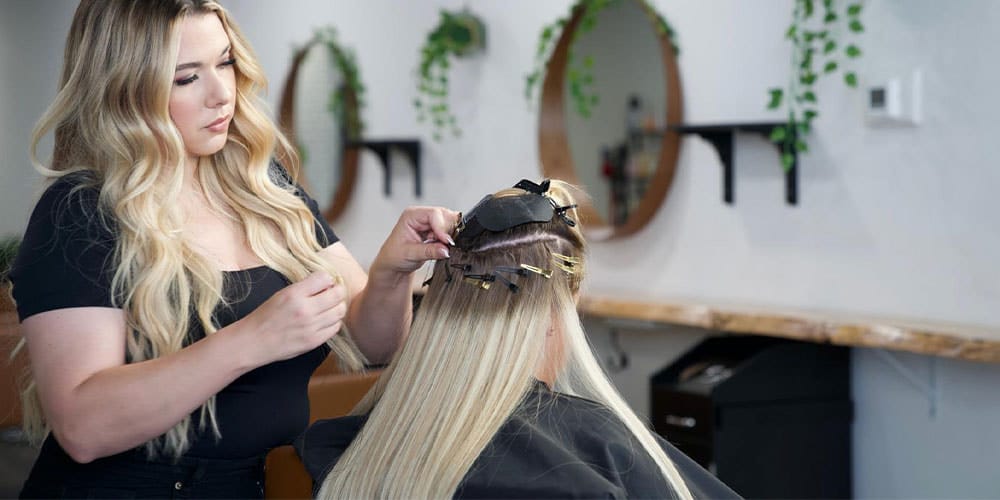
Discuss Your Private Label Hair Extensions Project
Planning to launch your own hair extension brand? Explore Shiny Hair Factory’s wholesale hair extensions or contact our team to discuss your product specifications, branding and packaging needs. We can help you understand the available customization options and the next steps for your project.