English
 German
 Spanish
 Portuguese
 French
 Dutch
 Swedish
 Arabic

Tape in hair extensions are a popular way to add length and volume without bulky attachments. But when comparing invisible tape in hair extensions vs regular tape-in extensions, the differences go beyond appearance. Although both use adhesive wefts, their construction affects how naturally they blend, how visible the attachments are, and which hair types they suit best.
Invisible tape in hair extensions offer a more seamless appearance at the roots, while regular tape-ins provide a practical, often more affordable solution. Understanding the differences can help you choose the right extensions for your hair, styling preferences, and budget.
<Related Article: Tape In Hair Extensions 101: Everything You Need to Know Before Buying >
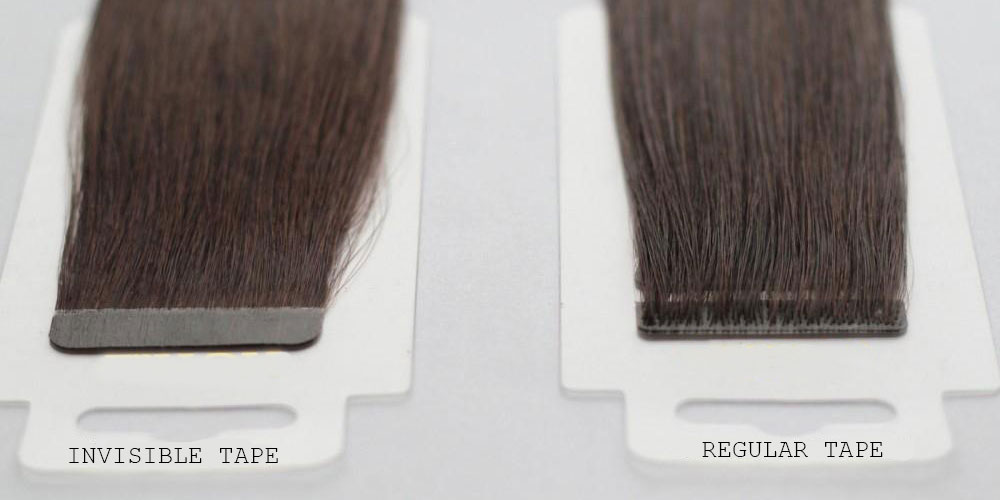
What Are Regular Tape-In Hair Extensions?
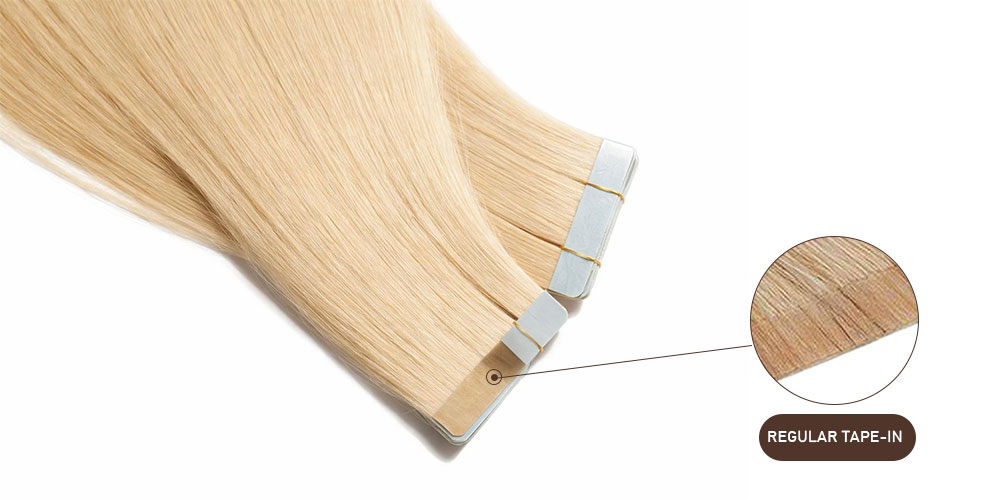
Regular tape-in hair extensions consist of thin hair wefts secured to pre-applied adhesive strips. During installation, a stylist sandwiches a small section of natural hair between two tape wefts, creating a flat, secure attachment.
This method is popular because installation is relatively quick, the extensions are comfortable when properly applied, and they work for many hair types. Regular tape-ins blend naturally beneath sufficient hair coverage, although their attachment edges may become visible around the crown, sides, or areas with finer hair.
< Product Recommendation: Regular Tape in Hair Extensions >
What Are Invisible Tape In Hair Extensions?
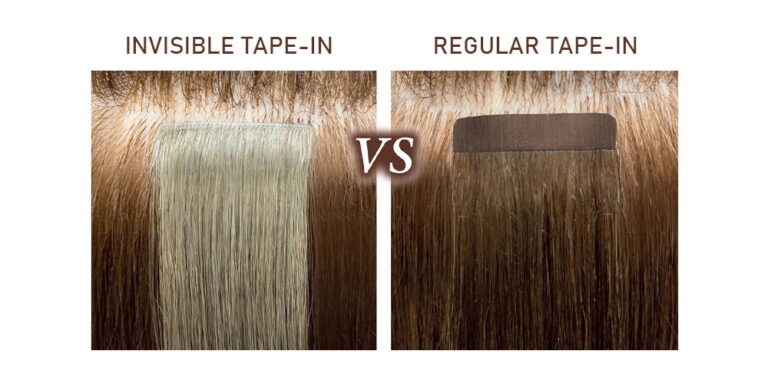
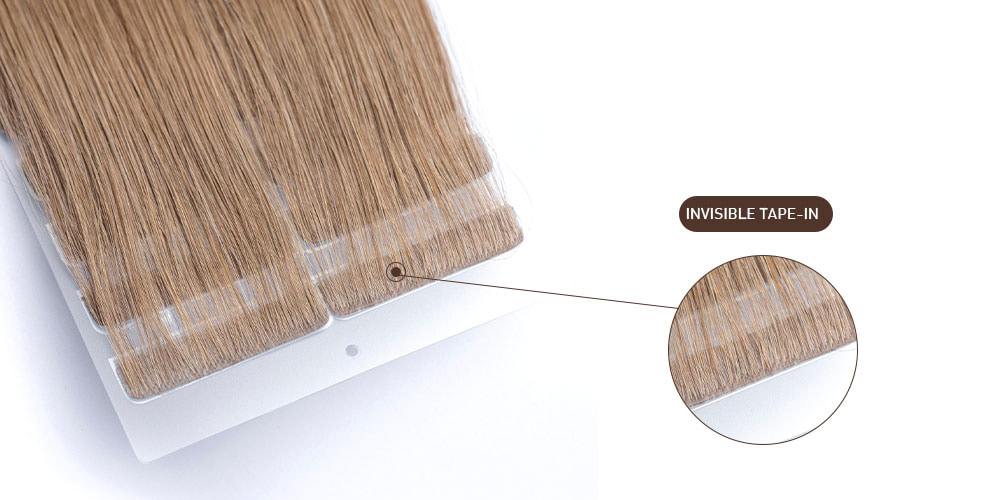
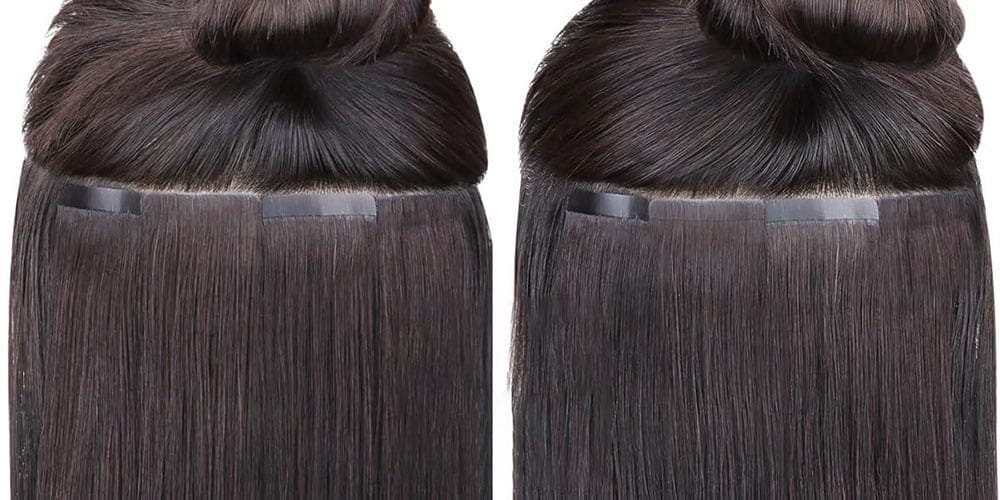
Invisible tape in hair extensions, also called injected tape-ins or invisible skin wefts, feature individual hair strands injected into an ultra-thin polyurethane (PU) base. Unlike traditional tape-ins, the hair appears to grow directly from the attachment, creating a more natural-looking root.
This design conceals the upper edge of the weft, making invisible tape in hair extensions particularly suitable for fine hair or areas where traditional tape tabs are difficult to hide. However, “invisible” doesn’t mean completely undetectable. Professional placement, proper weight distribution, and accurate color matching remain essential.
< Product Recommendation: Invisible Tape in Hair Extensions>
Invisible Tape In Hair Extensions vs Regular Tape-In Extensions: Quick Comparison
| Feature | Invisible Tape In Hair Extensions | Regular Tape-In Hair Extensions |
|---|---|---|
| Construction | Hair injected into a thin PU base | Hair bonded to a traditional tape weft |
| Root appearance | Mimics natural hair growth | More defined attachment edge |
| Visibility | More discreet near roots | Requires sufficient hair coverage |
| Best for | Fine to medium hair | Medium to thick hair |
| Comfort | Thin, flexible attachment | Flat, lightweight attachment |
| Installation | Adhesive sandwich method | Adhesive sandwich method |
| Maintenance | Usually every 6–8 weeks | Usually every 6–8 weeks |
| Reusability | Often reusable | Often reusable |
| Price | Generally higher | More affordable |
The main difference between invisible and regular tape-in extensions is the attachment design. Invisible tape in hair extensions create a more discreet root appearance, while regular tape-ins offer a cost-effective way to add length and volume. Neither type is automatically better in hair quality or durability.
5 Key Differences Between Invisible Tape in Hair Extensions and Regular Tape-Ins
1. Appearance: Which Looks More Natural?
Invisible tape in hair extensions generally provide a more seamless appearance because their injected hair design conceals the attachment edge. This is especially helpful for clients with fine hair or limited coverage around the roots. Regular tape-ins can look equally natural beneath thicker sections of hair. However, their defined tape edge may become visible when the hair is parted near the attachment or styled away from the face. For clients who prioritize discreet attachments, invisible tape-ins usually have the advantage.
2. Comfort and Attachment Thickness
Both methods are designed to lie flat against the head. Invisible tape-ins feature a thin, flexible PU base, while regular tape-ins use a conventional flat adhesive strip.
However, comfort depends on more than attachment thickness. Weft weight, installation tension, placement, and the amount of natural hair supporting each extension all influence how comfortable they feel. A thinner attachment isn’t necessarily more comfortable if the extensions are too heavy or incorrectly installed.
3. Suitability for Different Hair Types
Invisible tape in hair extensions are often preferred for fine or low-density hair because their concealed attachments blend more discreetly beneath thinner layers of natural hair. However, careful weight distribution remains essential to avoid excessive tension. Regular tape-ins work particularly well for medium to thick hair, where sufficient natural coverage makes the attachments easier to conceal. Clients with fragile or significantly thinning hair should consult a professional before choosing either method.
4. Installation and Maintenance
Both types use the same basic installation technique: small sections of natural hair are sandwiched between adhesive extension wefts. Neither requires heat during application. As natural hair grows, the attachments move farther from the scalp and need repositioning. Most clients require maintenance approximately every 6–8 weeks, depending on hair growth, attachment condition, and stylist recommendations.
During maintenance, the extensions are carefully removed, adhesive residue is cleaned away, and suitable wefts are re-taped and reinstalled. Neither type should be removed by pulling or excessive force.
5. Price and Long-Term Value
Invisible tape in hair extensions generally cost more because their injected construction requires additional manufacturing work. Regular tape-ins are often more budget-friendly, making them a practical choice for clients who want length and volume without paying extra for specialized attachments. However, long-term value depends on hair quality, durability, reusability, and maintenance costs. High-quality regular tape-ins may outperform lower-quality invisible extensions, so attachment design shouldn’t be the only consideration.
Are Invisible Tape In Hair Extensions Better for Thin Hair?
Invisible tape in hair extensions can be a good option for thin or fine hair because their attachments are less noticeable beneath limited natural coverage, particularly around the sides. However, fine hair and thin hair aren’t identical. Fine hair refers to individual strand diameter, while thin hair describes lower overall hair density. Both factors influence extension selection.
An invisible attachment doesn’t automatically prevent damage. Excessive weight, poor placement, or tight installation can still cause breakage. For delicate hair, lightweight wefts and professional application matter more than attachment appearance alone.
Can You Mix Invisible and Regular Tape-In Extensions?
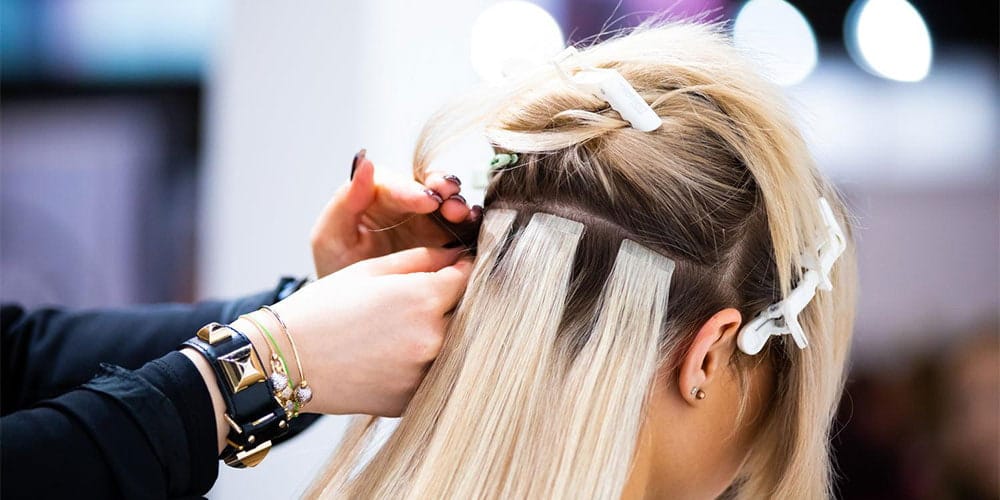
Yes. Combining both types can create a natural result while keeping costs manageable. For example, a stylist may use invisible tape-ins around the upper sides, where attachments are harder to conceal, and regular tape-ins underneath thicker sections to add length and volume.
This approach provides the benefits of discreet attachments without requiring premium invisible wefts throughout the entire head. However, placement should always reflect natural hair density, desired fullness, and extension weight.
How to Choose Between Invisible and Regular Tape-In Extensions
The best choice depends on your natural hair, styling preferences, and budget.
Choose invisible tape-in extensions if: You have fine or medium-density hair, want less visible attachment edges, or frequently wear hairstyles that make traditional tape tabs difficult to conceal.
Choose regular tape-in extensions if: You have medium to thick hair, want affordable length and volume, or have enough natural hair to cover the attachments.
Consider combining both if: You need discreet extensions in visible areas while using regular tape-ins for additional fullness underneath.
Regardless of the method, prioritize high-quality human hair, properly aligned cuticles, consistent color, and appropriate weft weight. These factors significantly affect the final appearance and longevity of your extensions.
< Related Article: How Long Do Tape In Hair Extensions Last? >
What Should Salons Look for When Buying Tape In Hair Extensions?
For salon owners and professional stylists, choosing tape-in extensions involves more than comparing attachment styles. Consistent hair quality, adhesive performance, and reliable specifications are essential for client satisfaction. When evaluating suppliers, consider cuticle alignment, hair density, tape flexibility, adhesive quality, and color consistency. For invisible tape-ins, inspect how naturally the injected strands emerge from the PU base. For regular tape-ins, check whether the bonded edge is flat, flexible, and securely constructed. Requesting samples allows salons to assess washing performance, attachment durability, and styling results before placing larger orders.
With over 20 years of manufacturing experience, Shiny Hair Extension supplies regular and invisible tape-in extensions with customizable colors, lengths, textures, and private-label options for salons, distributors, and hair brands.

FAQs About Invisible vs Regular Tape-In Extensions
1. Are invisible tape-ins better than regular tape-ins?
Invisible tape in hair extensions offer a more discreet root appearance, especially for fine hair. Regular tape-ins can deliver equally natural results when sufficient hair coverage is available.
2. Do invisible tape in extensions last longer?
Not necessarily. Both require regular maintenance, and their lifespan depends on hair quality, adhesive performance, installation, and aftercare.
3. Do invisible tape-ins cost more?
Generally, yes. Their specialized injected PU construction typically makes them more expensive to manufacture than traditional tape-ins.
4. Can invisible tape-in extensions damage your hair?
Yes, if installed too tightly, overloaded, or removed incorrectly. Their discreet design doesn’t eliminate the risks associated with improper application.
5. Can invisible and regular tape-in extensions be reused?
Many professional human hair tape-ins can be reused after proper removal and re-taping, provided the hair and attachment remain in good condition.
Conclusion: Which Tape-In Hair Extensions Are Better?
Both invisible and regular tape-in extensions can create natural-looking length and volume when properly selected and installed. Invisible tape-in hjair extensions are ideal for clients who prioritize discreet attachments, especially with fine hair, while regular tape-ins offer a versatile, budget-friendly alternative.
Ultimately, the best choice depends on your hair type, desired appearance, and budget. Quality hair and proper installation matter more than attachment style alone.