Arabic
 English
 German
 Spanish
 Portuguese
 French
 Dutch
 Swedish

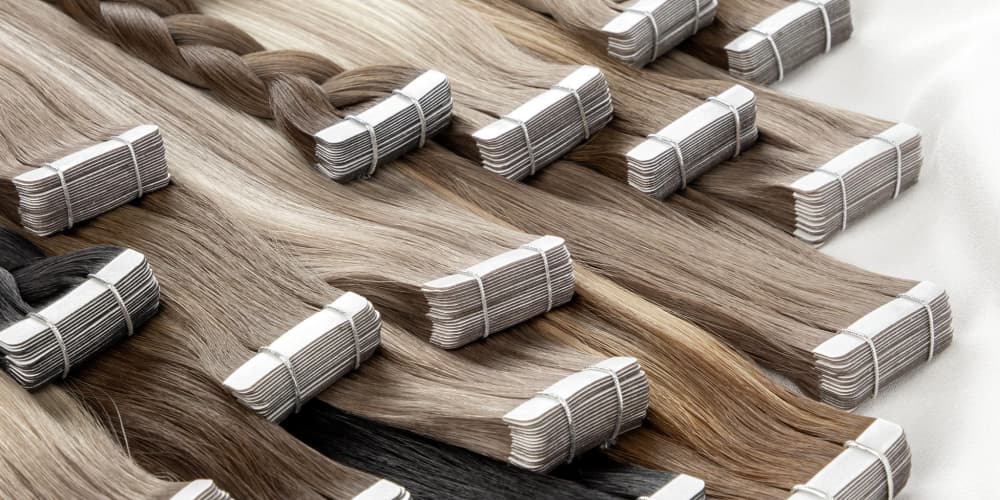
Are tape in hair extensions good for thin hair? Yes, tape in hair extensions can work well for thin hair because the attachment is flat and the added weight is spread across a wider section of natural hair. This makes the tabs easier to hide and avoids concentrating too much weight in one small area. But thin hair needs a lighter approach. Too many panels, heavy extensions, or poor placement can make the tapes visible and put unnecessary stress on the natural hair.
Are Tape In Hair Extensions for Thin Hair?
Yes, tape in extensions can be a good choice for thin hair when the panels are lightweight, correctly placed, and matched to the density and strength of the natural hair. Their flat shape makes them easier to conceal than bulkier methods. The goal should not be to add as much hair as possible. With thin hair, a lighter installation often looks more natural. Panel size, total grams, placement, and the condition of the client’s own hair all matter.
If you are comparing methods, see Tape In Extensions vs Weft Hair Extensions
Thin Hair vs Fine Hair: What’s the Difference?
Fine hair refers to the diameter of each strand, while thin hair means lower overall hair density. Someone can have fine hair with plenty of density, or thicker strands with relatively sparse coverage. This matters because two people who both describe their hair as thin may support very different amounts of extension hair. Both strand strength and overall density should be considered before fitting extensions.
Why Tape In Extensions Can Work Well for Thin Hair
Tape-ins have several practical advantages when the goal is to add moderate volume or length without creating bulky attachments.
Flat, Low-Profile Attachment
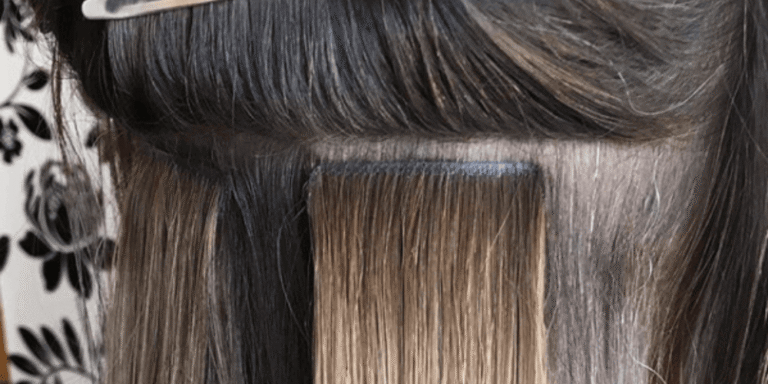
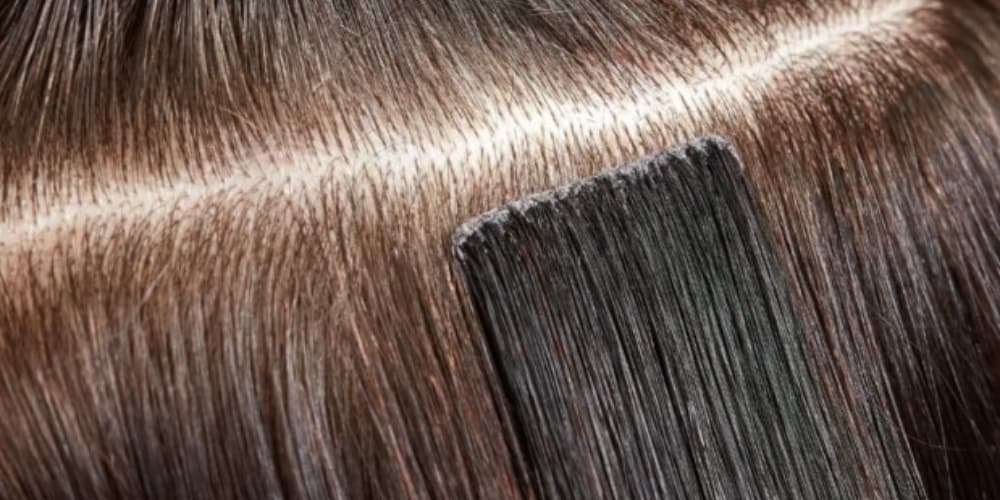
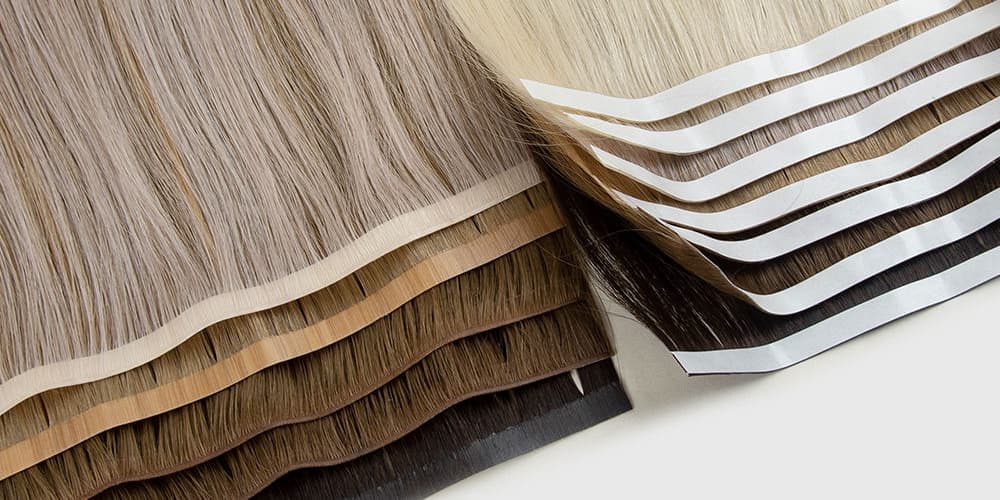
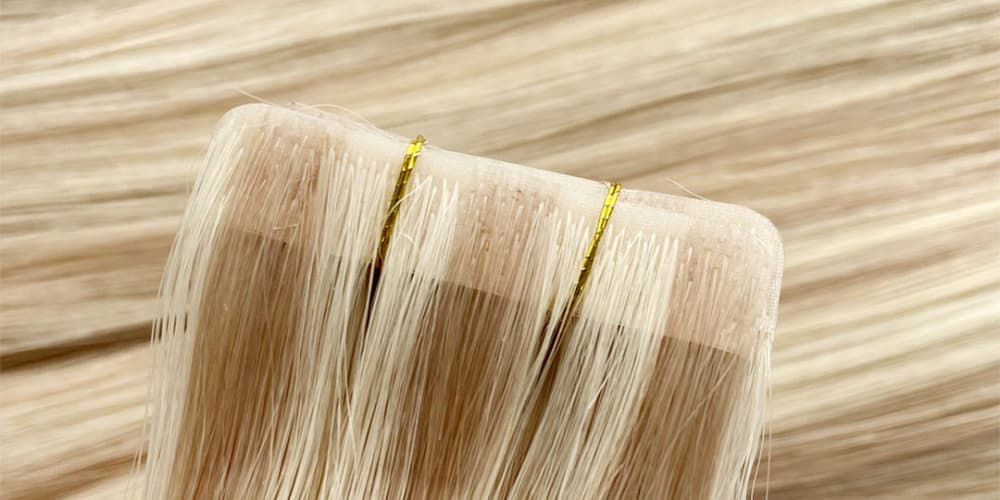
Tape panels sit close to the head, leaving less bulk for the natural hair to cover. Invisible or seamless tape-ins can be even more discreet in finer areas. For a closer comparison, see Invisible Tape In Hair Extensions vs Regular Tape-In Hair Extensions.
Distributed Weight
Tape-ins spread their weight across a wider section of natural hair rather than concentrating it at one small point. This can make the installation feel more balanced. However, a panel that is too heavy or attached to too little natural hair can still create tension.
Flexible Placement
Thin hair often needs targeted volume rather than a full transformation. Tape-ins can be added around the sides, ends, or other areas where extra fullness is needed. In many cases, fewer well-placed panels look more natural than a heavy full-head installation.
What Type of Tape In Extensions Is Best for Thin Hair?
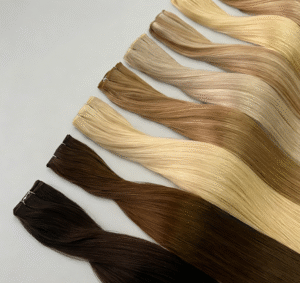
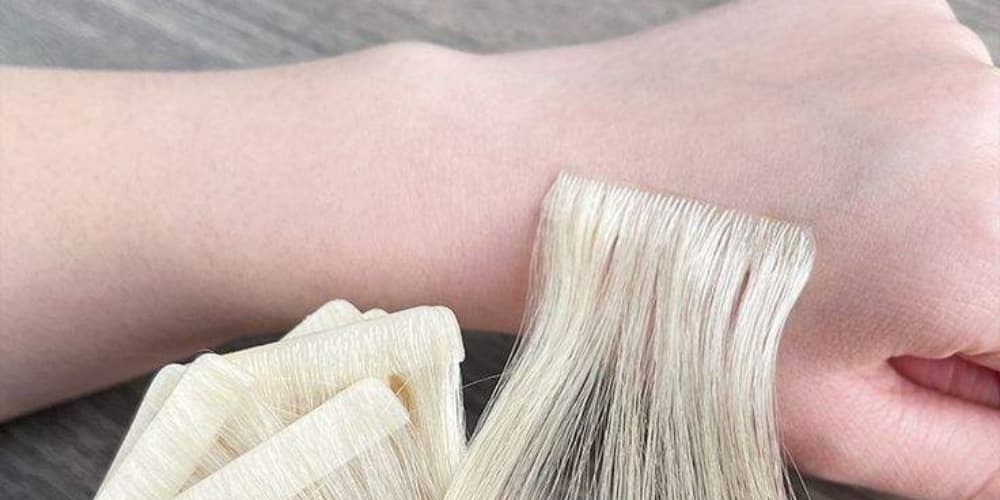
Regular tape-ins can work well when the hair is fine but still has enough density to cover the tabs. They are flat and available in many colors, lengths, and weights. Invisible or seamless tape-ins are useful when concealment is the main concern because their thinner or hair-like base can blend more naturally with finer hair. Still, “invisible” does not automatically mean better. Panel weight, width, adhesive, density, and placement matter just as much. A lightweight regular tape-in may suit thin hair better than a heavier invisible panel. You can compare different Tape In Hair Extension options by construction and weight rather than choosing only by product name.
Related Products: Tape In Hair Extension
How Much Hair Should You Use for Thin Hair?
There is no fixed gram amount for thin hair. The right quantity depends on natural density, current length, desired result, panel size, and grams per piece. Someone who only wants extra fullness will usually need less hair than someone adding significant length. Starting lighter also makes it easier to see how well the natural hair supports and hides the extensions. Very long extensions on short, low-density hair may require more weight to blend properly.
If you are unsure about length, see the أطوال وصلات الشعر: دليل شامل للأطوال من 12 إلى 26 بوصة. For thin hair, enough hair to improve fullness is usually better than trying to create maximum volume.
Where Should Tape Ins Be Placed on Thin Hair?
Placement affects both visibility and comfort. Tape panels need enough natural hair above them to stay hidden, so they should not sit too close to an exposed parting, front hairline, or very sparse area. Each section also needs enough natural hair to support the panel without excessive tension. The crown and temple areas often need extra care because the hair may be finer and easier to see through. With thin hair, good placement is not about fitting the most panels. It is about balancing coverage, weight, and the finished look.
Can Tape In Extensions Damage Thin Hair?
Tape in extensions are not automatically damaging, but problems are more likely when the panels are too heavy, the natural sections are too small, or maintenance is neglected. As the hair grows, the tapes move farther from the scalp. If move-ups are delayed too long, the grown-out panels may twist or pull. Rough brushing or pulling at the attachments can also increase breakage. Removal matters as well. The adhesive should be properly loosened before separating the panels rather than pulling them away from fragile strands.
Damage risk depends more on weight, fitting, maintenance, and removal than on the tape-in method itself. For care advice, see Tape-In Hair Extensions Aftercare: What Salons Should Explain to Clients.
How to Make Tape In Extensions Less Visible in Thin Hair
With thin hair, concealment should be planned before installation. Thin or seamless bases can reduce bulk, but placement and total density matter just as much. Keep tabs away from exposed partings and the front hairline, and match the extension shade closely to the natural hair. Using fewer panels can also look more natural than adding unnecessary density. Length matters too. Very long extensions on short, sparse hair may create an obvious difference between the natural hair and the added volume.
A natural result depends on hiding the attachment and keeping the added density in proportion with the client’s own hair.
When Tape In Extensions May Not Be the Best Choice
Tape-ins are not suitable for everyone with thin hair. If the natural hair is extremely sparse, fragile, or already breaking easily, there may not be enough healthy hair to support a semi-permanent attachment. They may also be unsuitable for clients who do not want regular maintenance.
In these cases, removable options such as halos, toppers, or lightweight clip-ins may be worth considering. If thinning is sudden or severe, it is better to seek an appropriate professional assessment before adding extensions.
Tape In Hair Extensions for Thin Hair: Quick Checklist
| Check | Better Approach for Thin Hair |
| المرفق | Thin, flat base |
| Weight | Start lighter |
| Placement | Keep away from parting and hairline |
| الحجم | Build gradually |
| الطول | Avoid a large density mismatch |
| التركيب | Professional fitting |
| الصيانة | Regular move-ups |
| Removal | Proper adhesive removal |
The best setup is usually the lightest installation that achieves the desired fullness while remaining easy to conceal.
FAQs About Tape In Hair Extensions for Thin Hair
Are tape in extensions safe for thin hair?
They can be suitable when the panel weight, placement, maintenance, and removal are matched to the strength and density of the natural hair.
Are tape ins too heavy for fine hair?
Not necessarily. Lightweight panels can work well, but too many pieces or too much weight on a small section can create tension.
What tape in extensions are best for thin hair?
Thin, seamless, or invisible tape-ins are often easier to conceal, but panel weight and natural density matter more than the product name alone.
Will tape in extensions show through thin hair?
They can if placed too close to the parting or hairline. Thin bases, careful placement, and good color matching help reduce visibility.
How many tape in extensions do I need for thin hair?
There is no standard number. It depends on natural density, desired volume, length, panel size, and the weight of each extension.
Can tape in extensions add volume without much length?
Yes. Tape-ins can be used mainly for fullness, which often works well for thin hair because it requires less added weight.
Can tape in extensions make thin hair thinner?
Poorly fitted or overly heavy extensions can contribute to breakage. Proper installation, maintenance, and removal help reduce unnecessary stress.
Are Tape In Hair Extensions For Thin Hair?
Tape in hair extensions can add natural-looking volume and length to thin hair when the installation is kept light and carefully planned. The best results come from choosing the right panel size, controlling the total weight, placing the tapes where they can stay hidden, and maintaining them properly. With thin hair, adding the right amount is usually more important than adding the most.