German
  English
  Spanish
  Portuguese
  French
  Dutch
Dutch  Swedish
  Arabic
Types of Hair Weave: A Clear Guide for Stylists, Salons & Wholesaler
Hair weave remains one of the most popular ways to add length, volume, and style to natural hair. From classic machine wefts to advanced butterfly systems, various weave types serve different needs. This guide breaks down the main Haarbindung types. It helps you choose the right one for each client — whether you run a salon, supply wholesale, or build a hair brand.
What Is Hair Weave?
“Hair weave” refers to using a weft, a continuous strip of hair. Attaching it along a client’s scalp or braided base. You can install hair weave by sewing, taping, beading, or bonding it. The goal: add fullness or length while blending human hair extensions naturally with real hair.
Using high quality human hair wefts lets professional stylists treat extensions like your own hair. That means coloring, cutting, heat styling as needed.

Common Types of Hair Weave
Weft hair extensions come in several types. Each suits different hair textures, client needs, and lifestyles.
Regular Machine Weft
This is the classic, widely-used weave type. Machines sew the hair strands into a fabric or PU base.
Vorteile:
Strong, durable weft seam. Easy to cut without unraveling.
Good value — cost-effective for thick, dense installs.
Provides full volume and density for clients who want bold results.
Nachteile:
The seam is thicker, can feel bulky or heavy, especially on fine hair.
May present more tension on scalp if not installed properly.
Best for: clients with medium to thick natural hair who want a full, voluminous look.

Hand-tied Weft
Handtied wefts rely on manual craftsmanship: stylists or artisans knot hair strands by hand into a thin, flat weft.
Vorteile:
Ultra-thin and lightweight — weft lies flat against scalp. Great for fine or medium hair.
Seamless, natural blend. Less visible weft track.
Comfortable — minimal bulk and tension, ideal for frequent wearers or sensitive scalps, seamlessly blending.
Nachteile:
You cannot cut it freely, because cutting may unravel the weft.
Occupational cost is higher, so price tends to be higher.
Requires careful, skilled installation.
Best for: clients who value comfort and a truly natural look over heavy volume. Particularly good if hair is fine, thin or sensitive.

Genialer Schuss
Genius (also known as hybrid) wefts combine strengths of machine and hand-tied wefts. They offer durability while remaining thinner and more flexible than standard machine wefts.
Why salons like Genius wefts:
They are thinner and lighter than traditional wefts. Great for clients needing comfort plus volume.
ou can often cut or customize them without causing shedding. They offer a good balance: strong enough to hold, soft enough to feel natural.
Best for: clients seeking a balance between natural appearance, comfort, and volume. Also ideal for stylists who want flexibility and efficiency.

Flat Wefts
Flat wefts feature a slim, flat base designed to sit close to the scalp. This gives a low-profile, natural finish.
Vorteile:
Discreet and comfortable — weft lies flat, reducing bulk.
Suitable for clients who want subtle styling or have fine hair.
Nachteile:
Flat wefts may lack the density and fullness of thicker wefts — may not be ideal for heavy-volume looks.
Best for: clients who want a natural, understated style, or those with fine hair seeking comfort and invisibility.

Butterfly Weft Extension
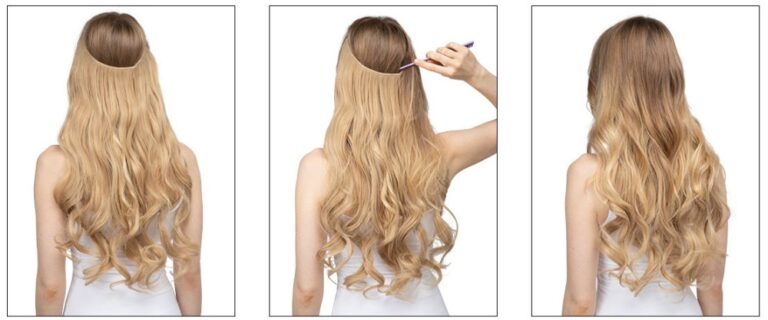
Butterfly wefts use micro beads for installation, so you don’t need glue or sewing. This installation Method is fast and feels comfortable on the scalp. These wefts lie flat and create a clean, invisible blend.
Geeignet für: Clients with medium to thick hair who want secure extensions with low tension.
Vorteile: Soft, flexible, and lightweight. They blend well with natural hair. You can finish a full install in less than an hour.
Nachteile: The stylist must place each bead correctly to avoid bulk near the roots. They are safe when installed with the right tension. If applied too tightly, they can cause discomfort, so proper technique is important.

Tape In Wefts
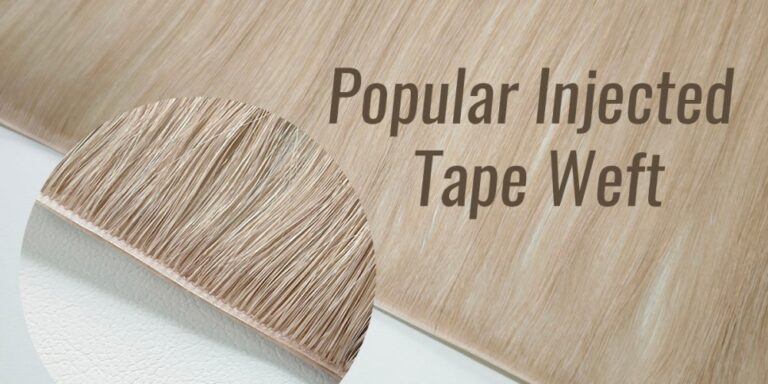
Tape-in wefts are one of the quickest ways to install hair extensions. Each weft comes with a thin adhesive strip. The stylist sandwiches a small section of natural hair between two tape in extension. This method feels light and blends smoothly with most hair types.
Geeignet für: Clients who want a fast and low-maintenance extension method.
Vorteile: Easy installation. Lightweight. Blends well with natural hair. Great for beginners or clients who want a soft, natural finish. 120 to 150gh for full head.
Nachteile: The adhesive can weaken after several weeks. Most clients need a reapplication every 6–8 weeks.They are safe when removed correctly. Incorrectly removing the tape can break your hair. You must remove and maintain them properly.
How to Choose the Right Hair Weave for Your Client
Selecting the right weave hair depends on several factors:
Hair type of hair extension: Thick hair handles heavy machine wefts well. Fine or thin hair benefits most from lightweight hand-tied, flat, or hybrid wefts.
Desired style: For bold volume and dramatic length — machine or butterfly wefts. For natural, subtle results — hand-tied, flat, or genius wefts.
Comfort & scalp health: Clients sensitive to tension or bulk should lean toward hand-tied, flat, or beaded wefts.
Budget & maintenance: Machine wefts offer good volume at lower cost. Hand-tied or hybrid wefts cost more but deliver superior comfort and natural appearance.
Installation time and reuse: Offering different types of hair weaves helps salons and wholesalers serve more clients. You can provide quick volume, added length, or premium seamless extensions. This variety attracts more customers and boosts sales.

Care Tips & Maintenance
To get the best from any hair weave:
Use sulfate-free shampoo and conditioner. Heavy or oily products can build up at the seam or base.
Avoid heavy oils or conditioners directly on weft seams or tape/bond areas.
Brush gently, from ends to roots, to prevent tangles and stress at attachment points.
For sew-in or tape-in weaves: schedule maintenance every 6–8 weeks to reposition, tighten, or replace as needed.
Why Hair Weave Extensions Still Matters in 2025
As hair trends evolve, clients demand natural-looking, versatile, and long-lasting extensions. Hair weave — in its many forms — continues to adapt. New weft types like hybrid/gеnius and butterfly wefts offer better comfort, discretion, and flexibility.
Salons and wholesalers benefit from offering different types of hair weaves. This lets you meet a variety of client needs. You can provide quick volume boosts or luxury, seamless extensions. Investing in high quality hair weave and skilled installation helps build trust and repeat business.
Abschließende Überlegungen
Hair weave is not one-size-fits-all. Machine wefts, hand-tied wefts, flat wefts, butterfly wefts — each serves different needs. As a stylist, salon owner, or wholesale buyer, your goal should be to match weave type to client hair, lifestyle, and desired style.
Use quality hair, professional installation, and proper upkeep. Do that — and you’ll deliver beautiful, durable, and natural-looking results that keep clients coming back.
For over 20 years, Glänzende Haare Fabrik has produced 100% Remy human hair and earned a reputation as a trusted industry leader. If you are looking for a reliable hair extensions supplier or wholesale partner for your brand, visit our website to learn more.