French
  English
  German
  Spanish
  Portuguese
  Dutch
Dutch  Swedish
  Arabic
Comment poser des extensions de cheveux avec du ruban adhésif
Apprenez étape par étape comment poser des extensions de cheveux à bandes adhésives. Découvrez des conseils pour obtenir un résultat naturel et homogène, un placement parfait et une tenue durable.
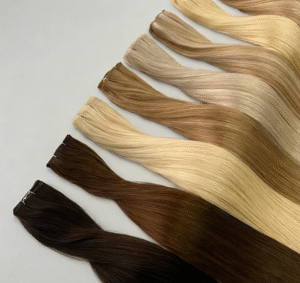
Extensions de cheveux avec ruban adhésif Ils constituent une méthode très prisée et polyvalente pour apporter longueur, volume et style sans abîmer vos cheveux naturels. Légers, réutilisables et rapides à poser, ils sont parfaits aussi bien pour les salons professionnels que pour les coiffures réalisées à la maison. Que vous soyez coiffeur ou client souhaitant changer de look, connaître la bonne technique de pose vous garantit un résultat impeccable et naturel.
< Extended Reading: Tape In Hair Extensions 101: Everything You Need to Know Before Buying>
Ce dont vous avez besoin avant l'installation
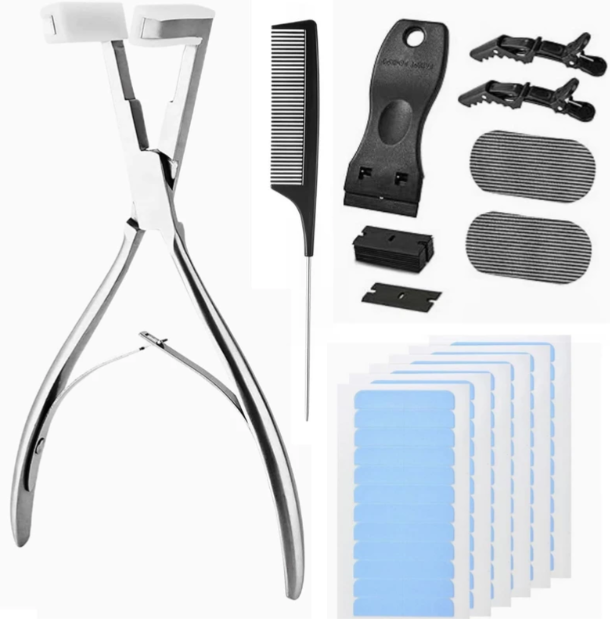
Avant de commencer, rassemblez les outils et le matériel suivants :
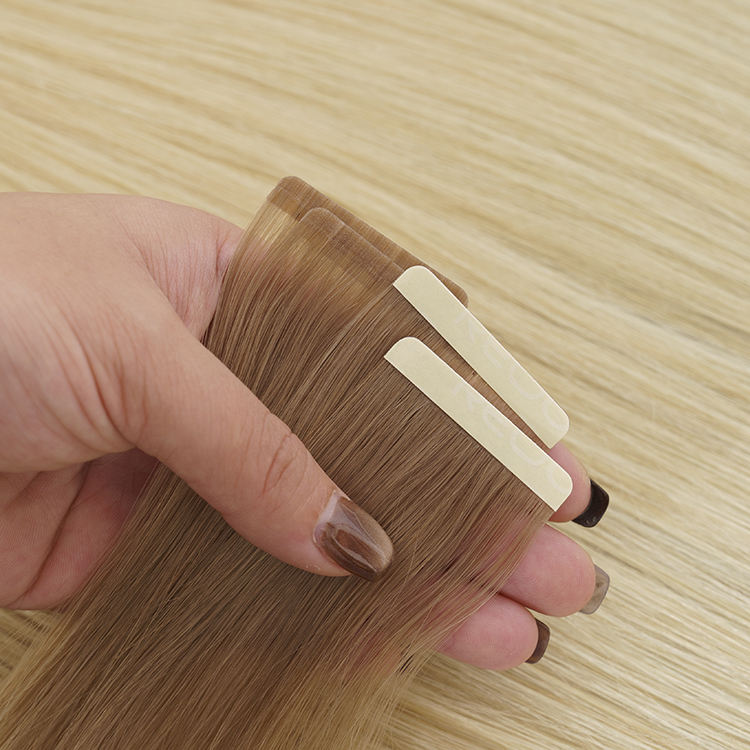
- Mèches d'extensions capillaires à fixer par bande adhésive
- Clips de sectionnement
- Peigne à queue
- Lingettes imprégnées d'alcool ou lingettes nettoyantes
- Facultatif : presse à chaud ou fer à repasser pour une meilleure adhérence
Pour obtenir les meilleurs résultats, veillez à ce que vos cheveux naturels soient propres, secs et exempts de sébum ou de produits coiffants. Une bonne préparation permet à l'adhésif de bien adhérer et évite qu'il ne se décolle prématurément.
Conseils pour choisir des extensions de cheveux à bandes adhésives
Le choix des bons matériaux facilite la pose, garantit un rendu naturel et optimise la réutilisation. Tenez compte de la qualité des cheveux, de la largeur de la bande adhésive, du type d'adhésif et des conditions de stockage afin d'obtenir les meilleurs résultats pour les clientes du salon.
Qualité des cheveux : Pour les salons qui misent sur la fidélisation de leur clientèle, optez pour des cheveux Remy à cuticule intacte ou des cheveux humains provenant d’un seul donneur. Évitez les bains acides et les revêtements riches en silicone. Un bon alignement de la cuticule réduit les nœuds, prolonge la durée de vie des extensions et permet de les réutiliser plusieurs fois. Les cheveux à revêtement bon marché peuvent paraître brillants le premier jour, mais ils ont souvent tendance à frisotter et à se dessécher après quelques lavages.
Largeurs de bande : Les bandes standard de 4 cm conviennent bien à la plupart des zones du cuir chevelu, tandis que les micro-bandes de 2 à 3 cm sont idéales pour les tempes, les bords de la couronne ou les mèches courtes. En veillant à ce que la largeur des bandes soit uniforme d'une rangée à l'autre, on obtient un résultat net et harmonieux.
Type d'adhésif : Utilisez des adhésifs de qualité médicale, résistants à la chaleur et à l'humidité. Pour les clients ayant un cuir chevelu gras ou menant une vie active, optez pour une formule plus puissante et résistante à la transpiration, et réduisez la fréquence des repositionnements afin de garantir une bonne tenue.
Couleur et nuances de racines : Les bandes « rooted » ou « shadow-root » permettent de dissimuler la bande adhésive au niveau des raies. Le mélange des nuances d'une rangée à l'autre crée de la profondeur et un rendu plus naturel, ce qui réduit le besoin de retouches de couleur ultérieures.
< Extended Reading: What is Virgin Hair? >

Combien de bandes faut-il pour une tête complète ?
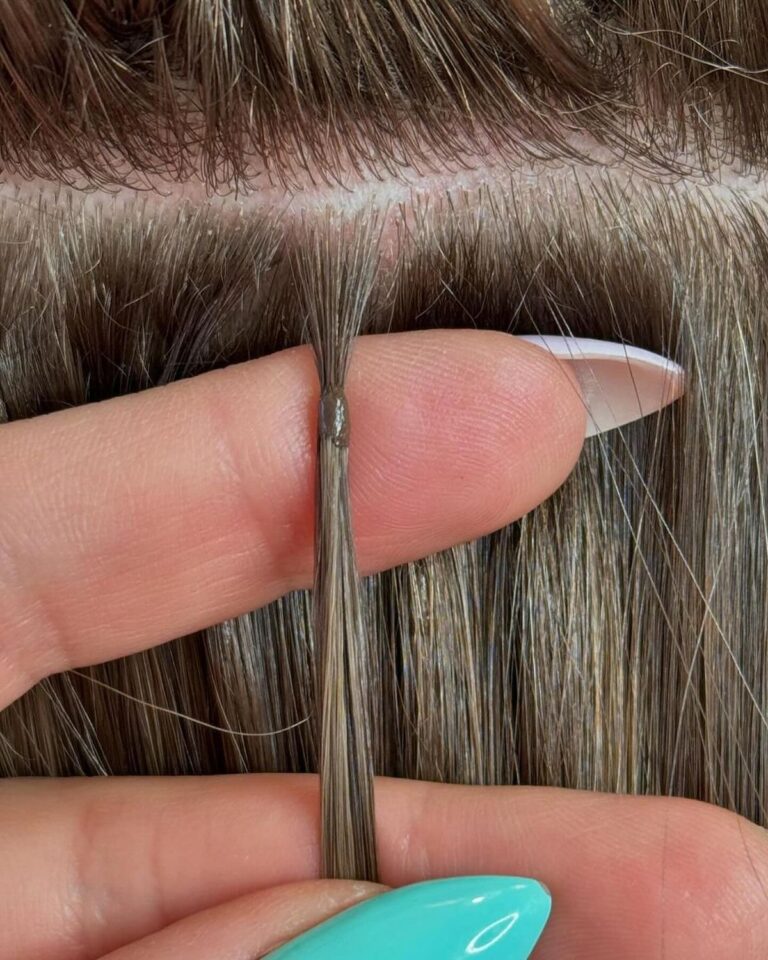
Les extensions à bande adhésive se présentent sous forme de petites bandes dotées d’un adhésif sur le dessus. Lors de la pose, les coiffeurs créent un “ sandwich ” en plaçant une mèche de cheveux naturels entre deux bandes. Un sandwich équivaut à deux panneaux adhésifs. La plupart des lots d’extensions contiennent entre 10 et 20 sandwichs. Pour une tête entière, il faut généralement entre 40 et 60 « sandwichs », en fonction de l'épaisseur des cheveux et du volume souhaité. Une fois que vous savez de combien de « sandwichs » vous avez besoin, il est beaucoup plus facile de calculer le nombre total de bandes adhésives.
- Uniquement pour augmenter le volume : 20 à 30 sandwichs (soit 1 à 2 paquets).
- Pour la longueur et le volume : 40 à 60 sandwichs (2 à 3 paquets).
- Pour les cheveux naturels épais ou courts : 70 à 80 « sandwichs » (3 à 4 paquets).
<Recommandation du produit : 100% : Extensions de cheveux en ruban injecté à base de cheveux naturels russes >
<Recommandation du produit : Vente en gros de bandes d'extension de cheveux de 22 pouces >
<Recommandation du produit : Extensions de cheveux en bandes longues de 20 pouces >
Comment poser des extensions de cheveux à bande adhésive : guide étape par étape
Étape 1 : Préparation de l'installation
Avant de commencer, assurez-vous de disposer du nombre adéquat d’extensions pour obtenir le résultat souhaité. Chaque paquet d’extensions adhésives contient généralement 5 « sandwichs » (10 pièces). En fonction de la densité des cheveux et du volume souhaité, les salons peuvent utiliser entre 3 et 6 paquets pour obtenir un résultat homogène sur l’ensemble de la chevelure. Une bonne planification permet d’assurer une couverture uniforme et une finition professionnelle.
Étape 2 : Préparer les cheveux
Pour garantir une bonne adhérence, les cheveux naturels doivent être propres et exempts de sébum ou de produits coiffants. À éviter :
❌ Après-shampoing
❌ Laques ou produits coiffants
❌ Huiles résiduelles
Une bonne préparation permet d'optimiser les performances de l'adhésif et de prolonger la durée de vie des extensions à coller.
Étape 3 : Séparer les mèches
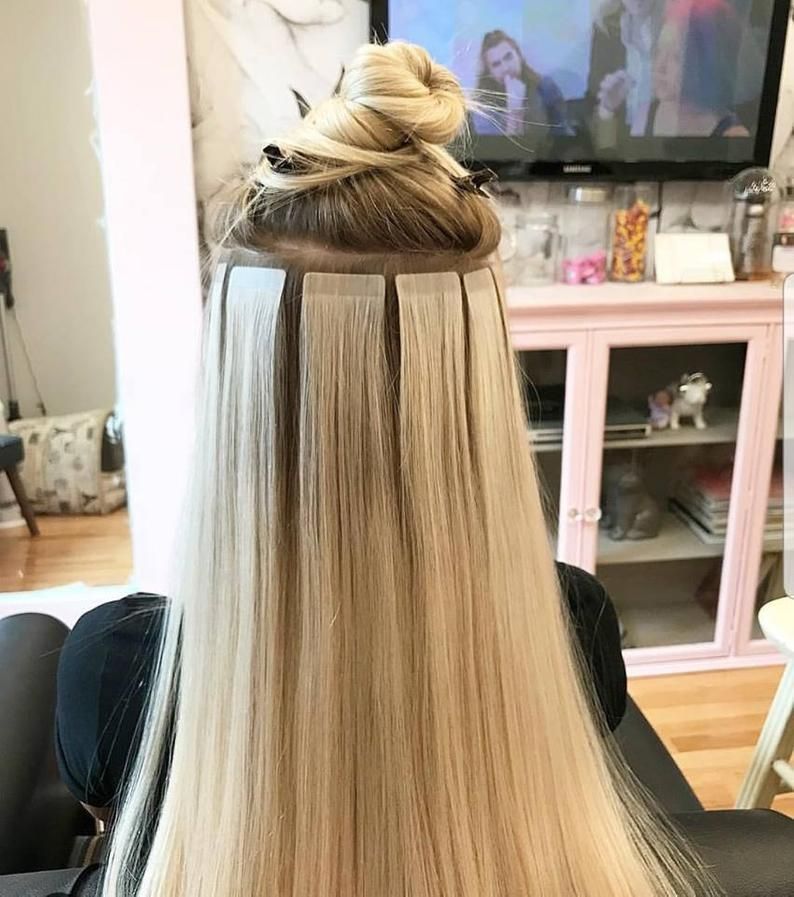
Commencez par l'arrière de la tête et formez des mèches horizontales régulières, en coupant les couches supérieures. Un bon découpage garantit une répartition homogène et un dégradé naturel.
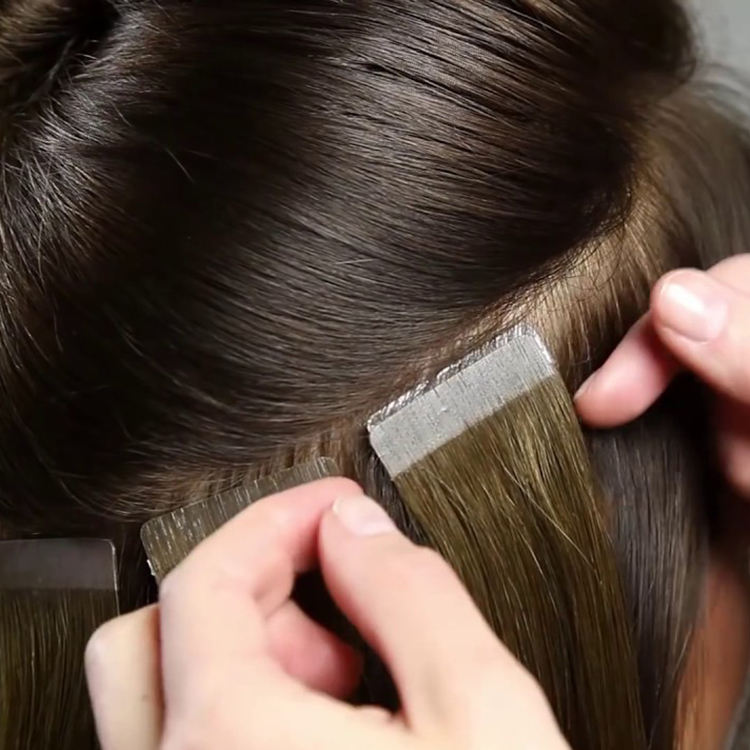
Étape 4 : Poser les extensions à bandes adhésives
- Retirez la pellicule protectrice de l'adhésif.
- Placez la première bande à ¼ de pouce du cuir chevelu, sous la mèche de cheveux naturels.
- Placez la deuxième bande directement par-dessus, de manière à ce que les cheveux naturels se trouvent pris entre les deux bandes.
- Appuyez légèrement ou utilisez un fer à lisser réglé sur une température basse pour fixer la jonction.
Étape 5 : Vérifier que l'appareil est correctement positionné
- Conservez toutes les extensions à coller horizontal pour éviter toute tension au niveau du cuir chevelu.
- Utilisez un motif de maçonnerie pour décaler les rangées et obtenir un rendu harmonieux et naturel.
- Veillez à maintenir un espacement régulier entre les rangées pour obtenir un volume homogène.
Étape 6 : Estomper et finaliser
- Utilisez une brosse à boucles ou un peigne à dents fines pour démêler et harmoniser les extensions.
- Vérifiez que le poids est réparti de manière homogène afin d’éviter toute contrainte.
- Pour les cheveux fins, placez les mèches adhésives légèrement en retrait de la racine des cheveux afin d'obtenir un résultat discret.
Étape 7 : Installation par un professionnel recommandée
Les extensions à bande adhésive sont faciles à utiliser, mais une pose réalisée par un professionnel garantit une longévité maximale, un confort optimal et une intégration parfaite. Les coiffeurs doivent suivre ces étapes pour obtenir les meilleurs résultats, dignes d’un salon de coiffure.
< Extended Reading: How to Remove Tape In Hair Extensions?>
Conseils pour un look naturel
- Disposez les extensions à bandes adhésives par couches, en suivant le sens naturel de vos cheveux.
- Évitez de placer les extensions trop près du cuir chevelu ou de la racine des cheveux.
- Harmonisez-le avec vos cheveux naturels en les coupant légèrement ou en les coiffant après la pose.
En suivant ces conseils, vous vous assurerez que les extensions restent discrètes et suivent naturellement les mouvements de vos cheveux.
Entretien et soins
- Lavez vos cheveux en douceur, en évitant tout contact direct avec l'adhésif.
- Utilisez des shampoings et des après-shampoings sans sulfate pour prolonger la tenue de votre coiffure.
- Pour un résultat optimal, repositionnez ou remplacez les extensions à bandes adhésives toutes les 6 à 8 semaines.
- Évitez toute chaleur excessive ou l'utilisation de produits gras sur la zone recouverte de ruban adhésif afin d'éviter que celui-ci ne se décolle.
Des soins adaptés permettent de préserver l'adhérence de la colle et de garder vos cheveux naturels et vos extensions en bonne santé.
< Extended Reading: How Long Do Tape In Hair Extensions Last? >
Erreurs courantes à éviter
- L'installation d'un trop grand nombre d'extensions dans une même zone, ce qui peut entraîner une gêne ou faire apparaître des lignes visibles.
- L'application d'extensions sur des cheveux gras ou mouillés, ce qui nuit à leur bonne adhérence.
- Tirer ou tirer trop fort sur les extensions, ce qui peut abîmer les cheveux naturels.
En tenant compte de ces erreurs, vous vous assurez un résultat sûr et durable.
Conclusion
Les extensions de cheveux à bandes adhésives constituent un moyen simple, professionnel et réutilisable d'obtenir une chevelure plus longue, plus volumineuse et plus élégante. En suivant les consignes de pose, de placement et d'entretien, vous pouvez profiter d'un résultat naturel et homogène tout en limitant au maximum les dommages causés à vos propres cheveux. Que ce soit pour les clientes en salon ou pour une mise en forme à domicile, les extensions à bandes adhésives offrent flexibilité, confort et une magnifique transformation.