French
  English
  German
  Spanish
  Portuguese
  Dutch
Dutch  Swedish
  Arabic
The global hair extension market has been experiencing consistent growth and shows no signs of slowing down. More people are looking to start their own hair business. With rising demand for human hair extension, now is the perfect time to explore opportunities in this growing market.
Recent industry forecasts show that the global hair extension market will grow. It is expected to increase from about USD 7.57 billion in 2024 to around USD 12.63 billion by 2035. This growth represents a compound annual growth rate (CAGR) of about 4.7% over the next ten years. Another report says that the human hair extension market could reach over USD 5.35 billion by 2033. This growth is due to more people caring about beauty and wanting natural hair solutions.
Strong market trends create great opportunities for entrepreneurs and professionals. They can start a hair business by supplying salons, building a consumer brand, or becoming a distributor. This guide will help you start a successful hair extension business. It covers everything from understanding the market to growing your operations.

1. Research the Hair Business Opportunity
Before you launch your hair business, it’s essential to understand the market landscape:
- TIndustry Growth: The hair extension market is growing steadily. Forecasts show strong growth in North America, Europe, and other regions.
- Customer Segments: Identify who your customers are, professional salons, individual stylists, or end consumers. Each segment has different needs, pricing sensitivity, and service expectations.
- Competitor Analysis: Study existing hair businesses online and offline. Look at their pricing, product range, customer feedback, and marketing strategies to find gaps you can fill.
This research will allow you to determine your niche and competitive edge in the broader hair business ecosystem.
< Extended Reading: Un guide complet pour choisir les meilleures extensions de cheveux >

2. Decide Your Hair Business Model
Several hair extension business models exist that you can consider when starting a hair business:
- Wholesale Hair Supplier: Provide bulk hair extensions to salons and retailers.
- Hair Brand Manufacturer: Create your own branded hair extension products via factory partnerships.
- Retail eCommerce Store: Sell directly to consumers via your website or marketplaces like Shopify.
- Salon Service Provider: Offer hair extension installation services at a physical salon.
Each model has distinct pros and cons. Wholesale and manufacturing need money for supply chain and inventory. Retail and service models focus more on marketing and customer experience.
3. Choose Your Hair Product Types
Hair extensions come in various types of hair extensions, each appealing to different customer needs:
- Clip In Hair Extensions: Easy to use, removable, and popular with retail buyers.
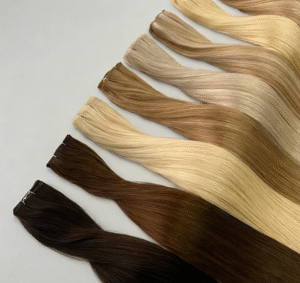
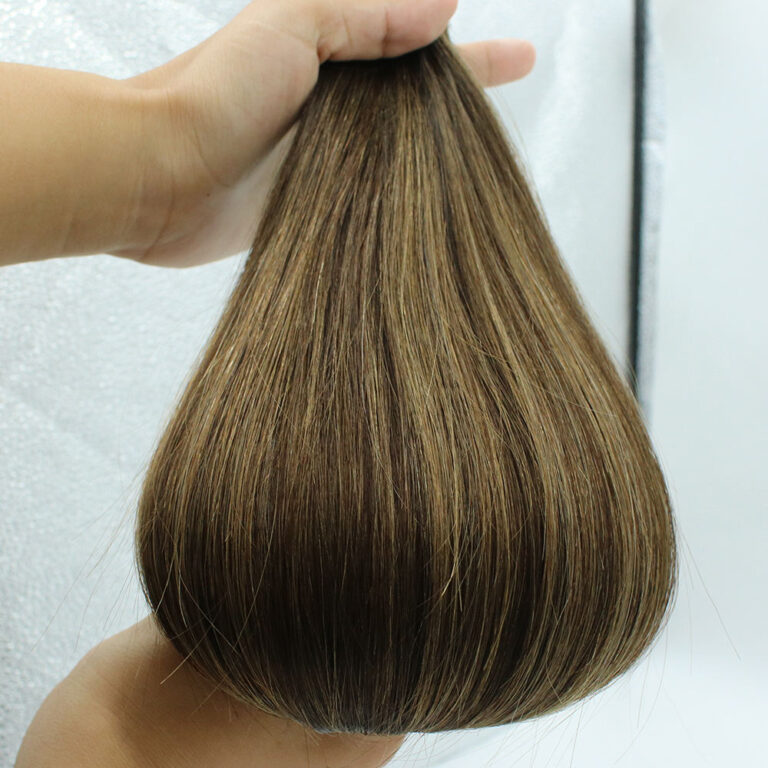
- Tape In Hair Extensions: Salon-friendly, natural-looking, and fast to install.
- Sew In hair extensions/ Weave Extensions: Suitable for long-term wear and thicker hair types.
- Nano / Micro Ring Extensions: Lightweight and ideal for fine hair. No need glue and heat.
- K tip Extensions: Suitable for salo owners.
- Butterfly Weft Extensions: Salon friendly, invisible and easy to install.
Deciding which products to offer early on helps you streamline inventory, marketing, and hair extension supplier negotiation.
< Extended Reading: Types de tissage de cheveux : Un guide clair pour les stylistes >

4. Source High Quality Wholesale Hair Vendor
Product quality defines your brand reputation. When sourcing hair extensions:
- Factory Direct Hair Extension: Partnering with hair manufacturers gives you control over hair quality, customization, and price. Especially important if you want to offer private label hair extension.
- Certifications & Testing: Ensure human hair suppliers provide quality assurance, ethical sourcing information, and consistency across batches.
- MOQ and Scalability: Evaluate minimum order requirements and the supplier’s ability to grow with you.
Building strong relationships with reliable suppliers is critical for long‑term success.
< Extended Reading: Top 7 Wholesale Hair Extension Vendors in China >
5. Set Up Legal and Operational Foundations
Before launching publicly, make sure your business is compliant:
- Business Registration: Choose an appropriate business structure (LLC, corporation, etc.) based on your legal and tax requirements.
- Tax and Trade Compliance: Understand import/export duties, especially if sourcing hair internationally.
- Banking & Accounting: Set up business accounts and bookkeeping systems to manage finances effectively.
Proper legal groundwork protects your business and builds credibility with partners and customers.
6. Create Your Brand and Online Presence
Branding and visibility are essential to your hair business’s success:
- Brand Identity: Develop a clear brand name, logo, and consistent visual identity that resonates with your target audience.
- Website & eCommerce: Build a professional website with product pages, service descriptions, and secure payment options.
- SEO & Content Marketing: Share helpful content about keywords like hair extensions, hair business tips, and choosing hair products. This will help attract organic traffic.
Social media platforms such as Instagram and TikTok are especially powerful for visual storytelling in the hair business.
<Recommandation du produit : Wholesale Flat Tip Hair Extension Extensions de cheveux à pointe en kératine >
< Product Recommendation: Keratin Fusion Hair Extensions Virgin Flat Tip Human Hair>

7. Launch Marketing and Sales Strategies
To generate traction for your business:
- Influencer Partnerships: Collaborate with hairstylists and beauty influencers to showcase your products.
- Email Marketing: Build a list of leads and send newsletters featuring promotions, tutorials, and new products.
- Salon Outreach: Offer trial products or educational support to salons to build trust and long-term partnerships.
- Social Media: promote your hair extension on Facebook, Instagram, Tiktok etc.
A multi‑channel approach helps diversify your revenue streams and reach both B2B and B2C audiences.

8. Provide Customer Education and Support
Hair products often require guidance, and offering excellent support differentiates your brand:
- Tutorials: Create videos or blog posts on application, maintenance, and styling tips.
- FAQs: Address common concerns about hair care, product quality, and extensions longevity.
- Responsive Support: Offer timely answers to questions via email, chat, or phone.
Educated customers are more likely to buy confidently and return.
9. Track Performance and Scale Your Business
After launching, continually refine your strategy:
- KPIs to Monitor: Sales growth, customer retention, website traffic, and conversion rates.
- Product Expansion: Offer new textures, lengths, or accessories based on demand trends.
- Geographic Expansion: Consider entering new markets with localized marketing and distribution.
Scaling thoughtfully based on data ensures steady business growth without overextending resources.

Réflexions finales
Starting a hair business, especially in the growing hair extension market, needs industry knowledge and quality products. It also requires good planning and marketing focused on customers. With the right approach, you can create a brand that attracts customers and keeps them loyal for a long time.
If you want high quality, factory direct human hair extensions for your hair business, Shiny Hair Factory can help. They offer customizable products and dedicated support for salons, distributors, and new beauty entrepreneurs.