French
  English
  German
  Spanish
  Portuguese
  Dutch
Dutch  Swedish
  Arabic
How to Start a Hair Extension Business: Step-by-Step Guide
Learn how to start a hair extension business from scratch. Step-by-step guide on finding hair vendors, branding, and growing a successful hair company.
The hair extension industry is growing fast. Beauty lovers all over the world are looking for high quality human hair extensions that adds length, volume, and style. Starting a hair extension business can be a smart and profitable move if you plan it right. This guide will walk you through each step, from research to launch, helping you build a strong foundation for long-term success.
Step 1: Research the Hair Extension Market
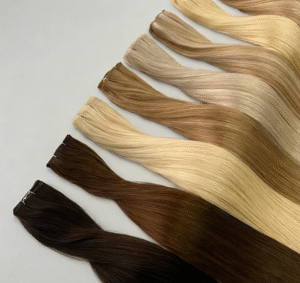
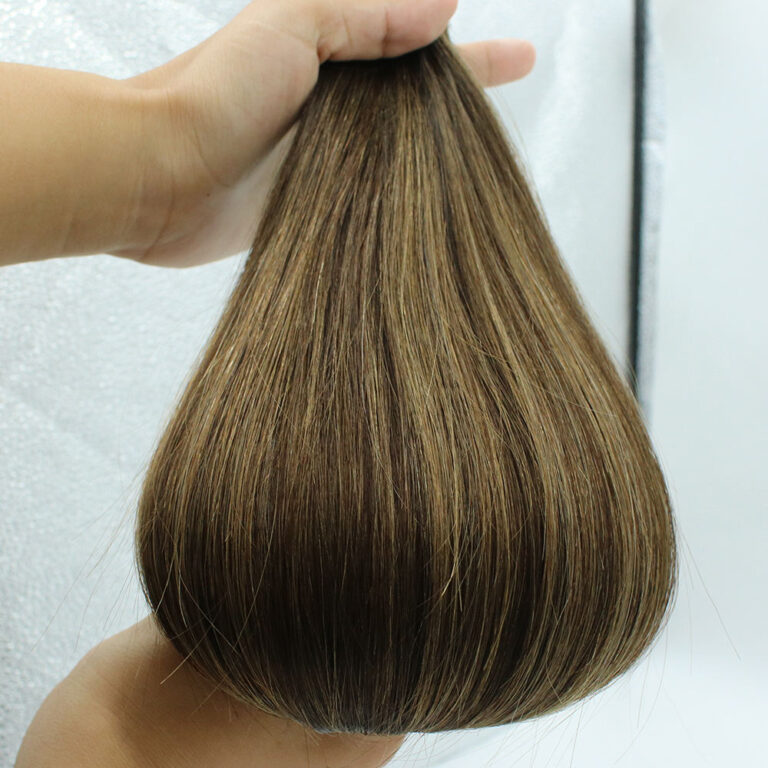
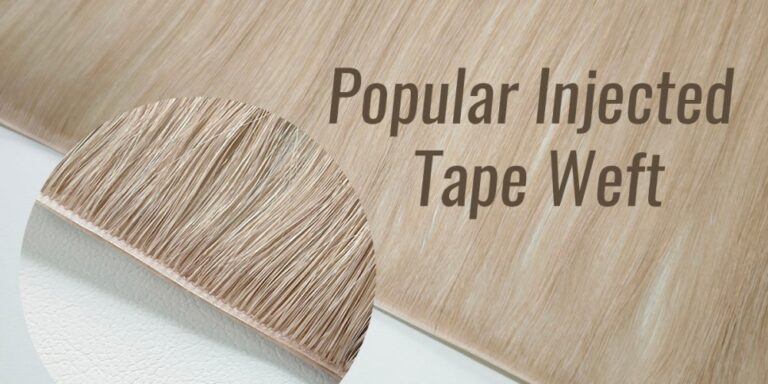
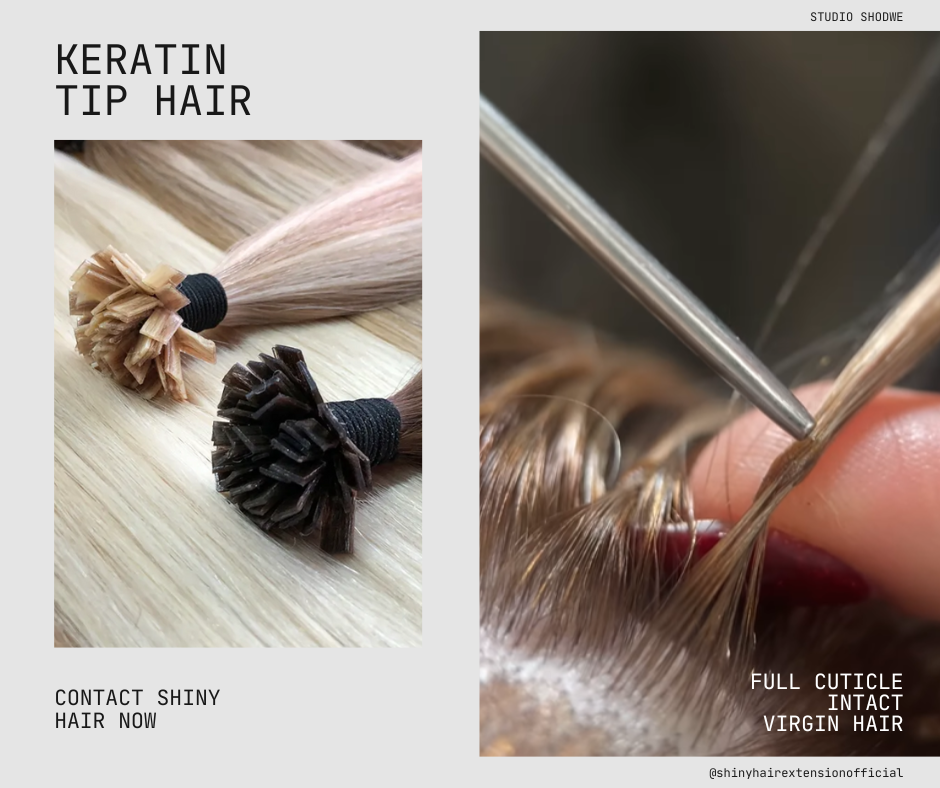
Before you invest any money, understand the market. Study the different types of hair extensions, such as: clip in hair extension, tape in hair extension, sewing in hair extension, fusion hair extension and hair extension tools. Each type human hair extensions serves a different audience.
Check out competitors. Visit their websites and social media pages. Look at their prices, packaging, and customer reviews. Find what customers love and what they complain about. This will help you spot opportunities.
Watch global trends too. More customers now want natural textures, ethically sourced hair, and long lasting quality. Knowing these trends will help you choose the right hair products.
Step 2: Create a Hair Extension Business Plan
A solid hsir business plan is the backbone of your company. It outlines your goals, target customers, pricing strategy, and growth roadmap.
Your plan should include:
Business Name and Brand Identity: Choose a name that’s simple, memorable, and relevant to beauty or luxury.
Target Market: Define who your ideal customers are, salon owners, hair stylists, or direct consumers.
Products: Decide what kind of hair extensions you’ll sell , human hair, synthetic, or both.
Pricing and Budget: Calculate product costs, marketing expenses, and expected profits.
Marketing Strategy: Plan how to promote your business online and offline.
Having a clear plan helps you stay focused and attracts investors or partners if you need funding later.

Step 3: Find a Reliable Hair Vendor
The reliable hair suppliers determines your hair product quality. Poor-quality hair can destroy your reputation quickly, so choose carefully.
Look for human hair vendors with experience in the industry and good customer feedback. Many successful brands work directly with wholesale hair manufacturers to ensure quality control. Ask for hair samples before placing bulk orders. Test the hair for softness, shedding, tangling, and color consistency.
Building a strong relationship with your hair vendor is key. A good hair supplier will help you with stable stock, consistent hair quality, and even custom packaging for your brand.
Step 4: Register Your Cheveux Business
Make your hair business legal. Register your company name and get the required licenses. Depending on your country or region, you may need a business license, tax ID, or resale permit.
If you plan to sell online, register a domain name that matches your brand. Protect your brand by trademarking your logo and name if possible.
This step ensures your business runs smoothly and avoids future legal issues.
Step 5: Build a Strong Cheveux Brand Identity
Your brand is what sets you apart. A strong brand builds trust and loyalty. Start by designing a professional logo and choosing a color scheme that reflects your style, modern, elegant, or bold.
Create attractive packaging. Customers love products that look good. Custom boxes, silk bags, and thank-you cards add a premium feel. Small touches make a big difference in how your brand is perceived.
Tell your brand story. Share why you started and what values drive your business, whether it’s quality, confidence, or empowerment. Authentic storytelling connects with your audience.

Step 6: Build You Hair Business Online Store
An online presence is essential. Most customers buy hair extensions online. You can build your store using platforms like Shopify, WooCommerce, or Wix.
Make sure your website is mobile-friendly and easy to navigate. Use high-quality photos and videos that show your hair from different angles. Add clear product descriptions, pricing, and shipping details.
Don’t forget SEO. Use keywords like hair extensions, human hair bundles, and start a hair business in your titles and product descriptions. This helps your store rank higher in search results and attract organic traffic.
Step 7: Market Your Hair Extension Business
Marketing is how you grow. Use social media platforms like Instagram, TikTok, and YouTube to reach your audience. Post before-and-after photos, styling tutorials, and customer reviews.
Instagram and TikTok: Post before-and-after photos, tutorials, and real customer results.
YouTube: Create styling videos and hair care tips.
Influencers: Partner with hairstylists or beauty influencers to reach more people.
Email Marketing: Send newsletters about new arrivals and promotions.
Paid Ads: Use Facebook or Google Ads to target people looking for hair extensions.
Influencer partnerships can also help. Send free samples to hairstylists or beauty influencers in exchange for honest reviews or videos.
Email marketing is another powerful tool. Offer discounts or free guides to collect emails. Send regular newsletters with new arrivals, styling tips, and promotions.
Paid ads can boost visibility. Try Facebook or Google Ads to target people searching for hair extensions online. Start with a small budget and track which ads perform best.

Step 8: Focus on Excellent Customer Service
Good service builds trust and loyalty. Respond quickly to customer questions. Offer clear return and exchange policies. Include care instructions with every order so customers know how to maintain their hair extensions.
Encourage feedback and reviews. Positive reviews attract new buyers and help your brand grow. If a problem occurs, handle it professionally and promptly.
Loyal customers often bring repeat business and word-of-mouth referrals — both are vital for long-term success.
Step 9: Manage Your Inventory and Finances
Track your stock carefully. Running out of popular products can hurt your sales. Use inventory management software to monitor what’s selling fast and what’s not.
Keep detailed records of your expenses and profits. Regularly review your numbers to understand your performance and make better business decisions.
Start small, then expand as your brand grows. Add new styles, colors, or product lines like wigs or accessories over time.
Step 10: Keep Learning and Improving
The beauty industry changes quickly. Stay updated on trends, new materials, new colors and customer preferences. Join trade shows, follow industry blogs, and connect with other hair business owners.
Always look for ways to improve — whether it’s product quality, marketing strategy, or customer experience. Growth comes from innovation and consistency.

Conclusion
Starting a hair extension business takes time, effort, and planning. But with the right steps, you can build a profitable and lasting brand.
Do your research, find quality hair suppliers, build a strong online presence, and focus on excellent service. The beauty market rewards brands that deliver value and trust.
Your journey begins with one step — start planning today, and your hair extension brand could soon be the next big name in beauty.