English
  German
  Spanish
  Portuguese
  French
  Dutch
Dutch  Swedish
  Arabic
Hot Fusion vs. Cold Fusion Hair Extensions
There are various hair extension types on the market. Today, we’ll be comparing two of the most popular types of hair extensions: Hot Fusion Hair Extensions and Cold Fusion Hair Extensions. This guide will help you understand the differences between these two techniques, their pros and cons, and how to choose the one that best fits your needs.
What Are Hot Fusion Hair Extensions?
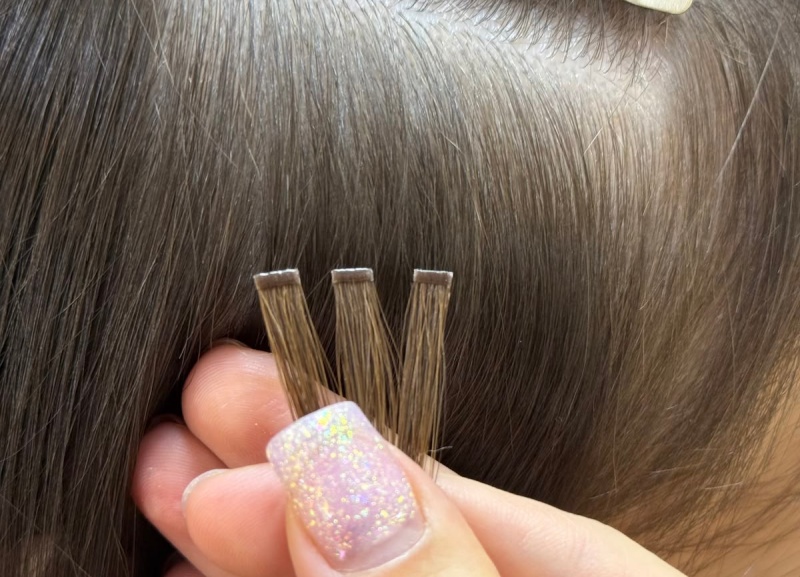
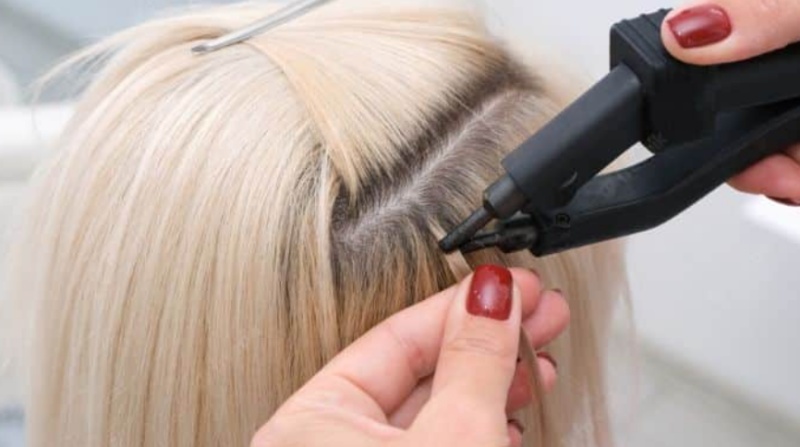
Hot fusion keratin based hair is a method that uses heated adhesive to attach hair extensions. A technician applies the adhesive to the extensions and bonds them to your natural hair. The heat tool ensures a secure, long lasting hold.
Who Is It For?
Hot fusion bond is ideal for those with fine or thinning hair, or anyone who is looking for a more long-lasting solution. It’s perfect for individuals who want their hair extensions to last longer without frequent maintenance.
Application Process:
- The adhesive is heated.
- Hair extensions are attached to natural hair near the roots.
- The heat helps bond the adhesive firmly to both the extension and your natural hair.
<Related Article:Hot Fusion Hair Extensions: 2026 Complete Guide>
What Are Cold Fusion Hair Extensions?
Cold fusion keratin bond, as the name suggests, does not require any heat. Instead, this technique uses special cold adhesives or a bonding tool to attach the extensions to your natural hair. Cold fusion hair extension is known for being a gentler, heat-free method of applying extensions.
Who Is It For?
Cold fusion hair extension is great for people with sensitive scalps or those who want a heat-free alternative. It’s perfect for those who are concerned about the potential damage caused by hot tools or those looking for a less invasive application.
Application Process:
- The keratin tips extensions are attached using cold adhesive or bonding rings.
- No heat tools are involved in the process, making it more comfortable for sensitive scalps.
< Related Article:Cold Fusion Hair Extensions: A Simple & Complete Guide >
Hot Fusion vs. Cold Fusion Hair Extension: Key Differences
1. Technique Differences
- Hot Fusion: Involves the use of heat tools and heated adhesive to bond the extensions to your natural hair.
- Cold Fusion: Uses cold adhesives or mechanical tools to attach the extensions, with no heat required.
2. Comfort Level
- Hot Fusion: The application can feel slightly uncomfortable due to the heat, and some people may experience scalp irritation.
- Cold Fusion: Generally more comfortable since no heat is used, making it a better option for those with sensitive scalps.
3. Longevity
- Hot Fusion: The strong bond created by the heated adhesive typically lasts 3-6 months before needing touch-ups or reapplication.
- Cold Fusion: While still durable, Cold fusion doesn’t last as long as Hot Fusion. You may need to touch it up every 2-3 months.
4. Safety
- Hot Fusion: The application of heated tools can cause some damage to natural hair or the scalp if not done properly.
- Cold Fusion: Being a heat-free method, Cold fusion is gentler and safer for both the scalp and natural hair.
5. Installation Time
- Hot Fusion: The process takes longer, usually around 2-4 hours, depending on the amount of hair and complexity of the style.
- Cold Fusion: The process is quicker, typically completed within 1-2 hours.
6. Cost Comparison
- Hot Fusion: Because it requires more advanced tools and adhesives, the cost of Hot Fusion is typically higher.
- Cold Fusion: While the process is faster, the cold adhesives or tools used can also be expensive, making the overall cost comparable to Hot Fusion.
Hot Fusion vs. Cold Fusion: Pros and Cons
Pros of Hot Fusion:
- Long-Lasting: Hot fusion extensions tend to stay in place longer due to the strong bond created by heat.
- Natural Look: The adhesive is fused directly with the hair, making it more discreet and natural-looking.
- Strong Hold: It’s ideal for people who live an active lifestyle, as the extensions are less likely to slip or come loose.
Cons of Hot Fusion:
- Potential Damage: The heat tools and adhesives can cause some damage to your natural hair and scalp if not applied correctly.
- Longer Application: The entire process takes longer than Cold fusion, and maintenance can also be time-consuming.
- Higher Price: Due to the tools and materials used, Hot fusion is typically more expensive.
Pros of Cold Fusion:
- Heat-Free Application: No heat tools are used, making it a gentler method for those with sensitive scalps or hair.
- Comfortable: The application process is usually more comfortable, as there’s no risk of heat damage or irritation.
- Easier Removal: Because cold fusion doesn’t use heat-based adhesives, it’s easier to remove or adjust the extensions.
Cons of Cold Fusion:
- Shorter Lifespan: Cold fusion extensions don’t last as long as hot fusion hair extension, requiring more frequent touch-ups.
- Maintenance: Due to the weaker bond, you may need to maintain or replace Cold Fusion extensions more often.
- Cost: The specialized tools and adhesives can still make Cold Fusion extensions expensive, though they may be a bit less than Hot Fusion.

< Product Recommendation: Cold Fusion Hair Extension Double Drawn Nano Bead Hair Extensions >
Types of Products Used in Hot Fusion and Cold Fusion Hair Extensions
There are various tip types and hair extension products designed to suit different preferences and application methods.
Hot Fusion Extension Tips:
- I Tip Hair Extensions: These are individual strands of hair with small, cylindrical tips made from keratin adhesive. The I tip hair extension is threaded through a microring or other bonding tool and clamped to your natural hair using heat.
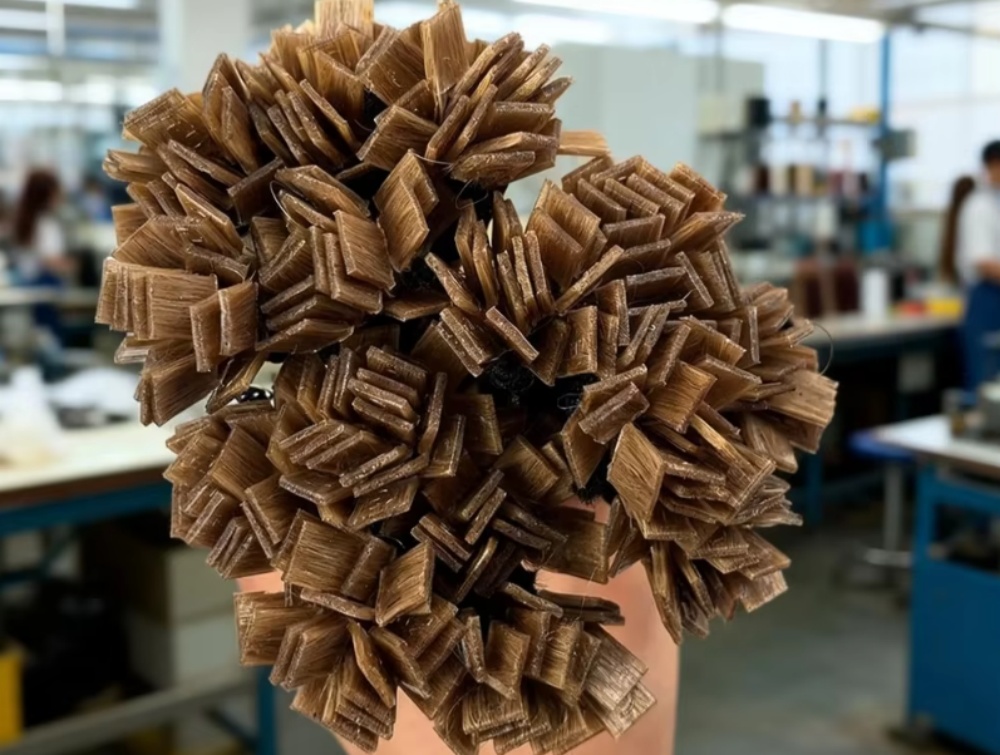
- Flat Tip Hair Extensions: These have a flat, wider tip that is also bonded with keratin adhesive. The flat shape helps distribute the adhesive evenly, offering a more natural, discreet result when bonded to the hair using heat.
- U Tip Hair Extensions: Similar to the I tip hair, but with a U-shaped keratin bond. These are ideal for thicker hair or for those who need a stronger hold.
Cold Fusion Extension Tips:
- I Tip Hair Extensions: Just like in Hot Fusion, I tip extensions can also be used in cold fusion method. However, instead of using heat, they are attached using microrings or nano rings and clamped into place.
- Nano ring Hair Extensions: These are tiny, ultra-thin strands with a very small tip, often used for finer hair. Nano beads hair extensions are attached using nano rings, providing a more discreet and seamless result.

How to Choose the Right Hair Extension Method for You
When deciding between Hot Fusion and Cold Fusion, there are a few factors to consider:
- Your Hair Type: If you have fine or thin hair, Cold Fusion may be a better choice since it’s gentler on the scalp and hair. For thicker, coarser hair, Hot Fusion’s strong bond may be more suitable.
- Your Budget: Hot Fusion tends to be more expensive, both in terms of initial installation and maintenance. Cold Fusion, while still costly, can be a more budget-friendly option if you’re looking for something less permanent.
- Lifestyle: If you’re active and need long-lasting, durable extensions, Hot Fusion might be the better option. Cold Fusion works well for those who want a more comfortable, temporary style.
- Scalp Sensitivity: If you have a sensitive scalp or are concerned about heat damage, Cold Fusion is a gentler, safer choice.
FAQs: Hot Fusion vs. Cold Fusion Hair Extensions
1. Which lasts longer, hot fusion or cold fusion?
Hot fusion hair extensions usually last longer, around 3–6 months, due to the strong keratin bond. Cold fusion typically lasts 2–3 months and may require more frequent maintenance.
2. Are fusion hair extensions damaging to natural hair?
When applied and removed correctly by a professional, both methods are safe. However, cold fusion is generally considered gentler since it doesn’t involve heat.
3. Which method is better for fine or thin hair?
Cold fusion is often a better choice for fine or thin hair because it uses smaller bonds like nano rings, which are lighter and less noticeable.
4. Can I style my hair normally with fusion extensions?
Yes, both hot and cold fusion extensions allow you to curl, straighten, and style your hair as usual. Just avoid applying direct heat to the bonds.
5. Which is more comfortable to wear?
Cold fusion is usually more comfortable, especially for sensitive scalps, because it doesn’t use heat during installation.
6. How do I choose between hot and cold fusion?
It depends on your hair type, lifestyle, and desired results. Choose hot fusion for long-lasting hold, and cold fusion for a more gentle, flexible option.

Conclusion
Both hot and cold fusion extensions can create stunning, natural results, but the key is choosing the right method based on hair type, maintenance needs, and desired look. Hot fusion hair extension offers durability and seamless blends, while cold fusion provides a gentler, low-maintenance option.
As a hairstylist, assessing your client’s hair condition and discussing their goals is essential in determining the best choice. With the right fusion technique, you can give your clients the long, beautiful hair they’ve always desired, ensuring both satisfaction and lasting results.
If you have any questions or need more information, feel free to leave a comment. We’re here to help you make the best choice for your hair!