English
  German
  Spanish
  Portuguese
  French
  Dutch
Dutch  Swedish
  Arabic
If you are in the hair business or simply love wearing hair extensions, you’ve probably heard terms like Remy, Virgin Hair, and 100% Human Hair. But with so many options on the market, how can you truly tell if the hair you’re buying is genuine human hair?
As a professional human hair manufacturer, we’ve seen how easily buyers can be misled by mixed or synthetic blends marketed as “human hair.” In this article, we’ll guide you through clear, practical ways to identify authentic 100% human hair extensions—so you can invest in quality that lasts.
1. Understand What “100% Human Hair” Really Means
Before learning how to identify real hair, it’s important to understand what the 100% human hair means.
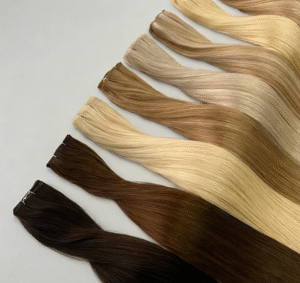
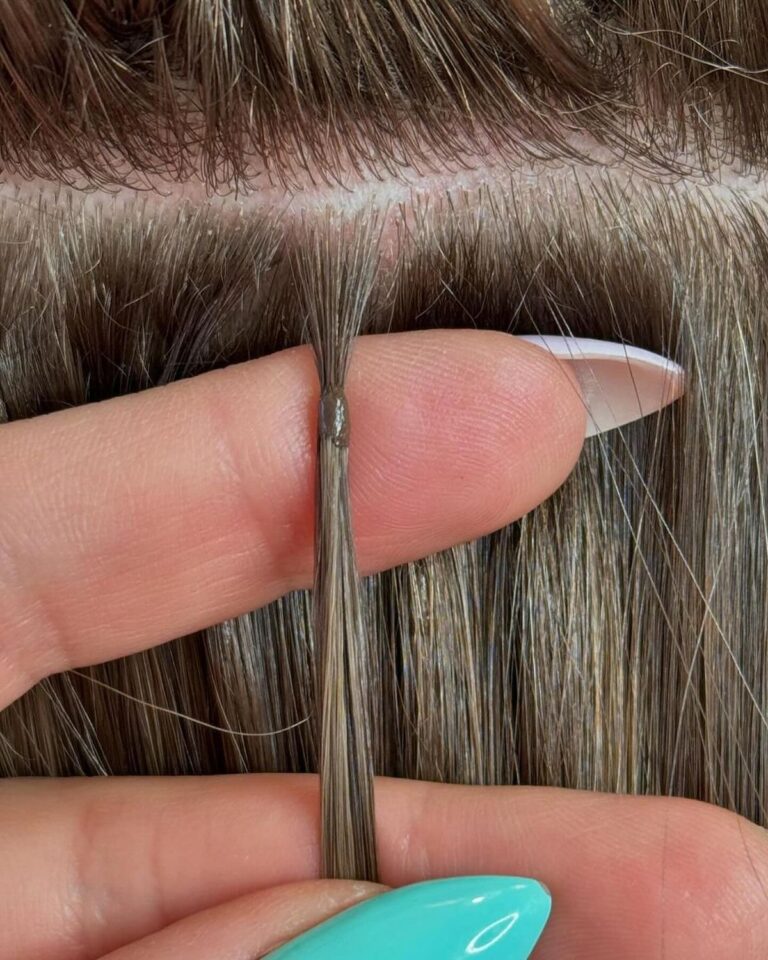
100% human hair extensions are made entirely from natural human hair, collected strand by strand, and carefully processed to preserve the cuticle layer. This allows the hair to behave just like your own—soft, smooth, and easy to style.
However, not all human hair is the same. Many cheaper products mix real hair with synthetic fibers to cut costs. These blends often look shiny at first but quickly tangle, melt under heat, and lose their natural texture after a few washes.

2. The Burn Test: A Simple Way to Check Authenticity
One of the oldest and most reliable methods to check for genuine hair is the burn test.
Take a few strands from your hair bundle and carefully burn them (make sure to do it safely).
Human hair burns slowly and produces a natural smell similar to burning feathers. It turns into fine ash that crumbles easily.
Synthetic hair, on the other hand, melts quickly, gives off a plastic smell, and forms hard beads once cooled.
This quick test can instantly reveal whether your extensions are made from real human hair or synthetic material.
3. The Texture and Feel Test
Genuine human hair extensions have a natural, slightly coarse texture—not too silky or plastic-like. When you run your fingers through, it should feel smooth but not overly slippery.
Synthetic hair tends to be overly shiny and uniform in color, while human hair has subtle variations that reflect natural tones and light.
If you’re sourcing from a human hair manufacturer, always ask for a small sample or texture video before placing bulk orders. The best suppliers will provide both.
4. The Water and Heat Test
Another effective method is the water or heat test:
Wet a few strands and observe how they react. Human hair absorbs water and becomes heavier, while synthetic fibers often repel it.
Use a curling iron or straightener. Genuine human hair can withstand heat styling and return to its shape, while synthetic hair melts or sticks to the iron.
These tests are easy to perform and give you immediate clues about the hair’s authenticity.
5. Examine the Ends and Roots
Look closely at the ends and roots of the hair.
Authentic Remy hair extensions have aligned cuticles, all running in the same direction from root to tip. This alignment prevents tangling and shedding.
In contrast, non-Remy hair or mixed hair often feels rough at the ends and can tangle easily because the cuticles are misaligned. Over time, the difference becomes very visible—Remy hair stays silky and smooth even after months of use.
6. Ask for Documentation or Proof of Origin
Reputable human hair manufacturers can provide details about hair sourcing and processing. Ethical sourcing is an important indicator of authenticity and quality.
Ask the supplier questions like:
Where is the hair collected from?
Is it single-donor or multi-donor hair?
How is the hair cleaned and processed?
A trustworthy manufacturer will be transparent about their process. At Shiny Hair Factory, for example, all hair is ethically sourced and carefully sorted to ensure every strand meets quality standards.

7. Price and Packaging Can Reveal a Lot
When the price seems too good to be true, it often is. Genuine 100% human hair extensions require a complex process—from ethical collection to careful manufacturing. Extremely cheap products usually contain a mix of synthetic or non-Remy fibers.
Similarly, pay attention to packaging. Professional human hair suppliers use sealed, clean, and clearly labeled packaging with batch numbers or origin details. Poor packaging or missing labels can be a red flag.
8. Consult a Professional Stylist
If you’re still unsure, seek advice from a stylist experienced with human hair extensions. They can instantly spot signs of synthetic blending, uneven coloring, or poor weft quality. Many salons now work directly with trusted human hair manufacturers to ensure consistent quality for their clients.

Conclusion
Choosing 100% human hair extensions is not just about appearance—it’s about quality, comfort, and confidence. With the right knowledge and reliable suppliers, you can avoid synthetic imitations and ensure you’re investing in genuine, long-lasting hair.
Whether you’re a salon owner, wholesaler, or individual buyer, always verify the source and quality of your extensions. A reputable human hair manufacturer will provide transparency, ethical sourcing, and consistent excellence—so your hair looks and feels beautiful every day.