Swedish
  English
  German
  Spanish
  Portuguese
  French
  Dutch
Dutch  Arabic
How Genius Wefts Are Made: Complete Manufacturing Guide for Hair Extensions
For anyone who has ever touched a pair of high quality Genius Weft hair extensions, one question almost always follows: How are these ultra-thin, cuttable, seamless wefts actually made? Genius Wefts have quickly become one of the most in-demand hair products in the hair extension industry, loved by stylists for their flexibility and by clients for their natural, comfortable wear. But what most people don’t realize is that creating a truly premium Genius Weft requires a specialized manufacturing process, one that blends craftsmanship, precision engineering, and years of industry expertise.
Understanding how Genius Wefts are made helps hair stylists choose better products, helps wholesale hair suppliers communicate value, and helps clients appreciate the craftsmanship behind the beauty. In this article, we take you behind the scenes into the factory process, step by step—so you can see exactly how raw human hair becomes a flawless Genius Weft ready for installation. Whether you’re a stylist, wholesaler, salon owner, or simply curious about the technology, this in-depth guide reveals what sets real, high quality Genius Wefts apart from lower grade alternatives.

What Makes Genius Wefts Different?
Genius Wefts are designed to combine the best features of hand-tied wefts, machine wefts, and flat wefts, without the disadvantages.
Key advantages include:
- Ultra-thin construction for a flat, invisible installation
- Zero return hair (no “mustache” or prickly short hairs)
- Cuttable weft line that will not unravel
- Lightweight, flexible design ideal for fine or sensitive hair
- Long-lasting durability with proper care
Because of these characteristics, the manufacturing process requires far greater precision than traditional wefts. Every step: from sorting to sewing to sealing, must meet strict quality standards.
How Genius Wefts Are Made:
Step 1: Ethical Sourcing and Raw Hair Collection
High quality Genius Wefts begin with high quality raw materials. The best factories source full cuticle, unprocessed human hair from reliable, long term suppliers.
- What factories look for:
- Cuticle aligned hair to prevent tangling
- Single donor bundles for uniform color and texture
- Minimal chemical exposure
- Consistent strand thickness from root to tip
Raw hair is inspected by hand before entering production. This ensures the final Genius Wefts remain smooth, silky, and durable even after months of wear.

Step 2: Sorting, Washing, and Preparing the Hair
Before hair can be made into wefts, it undergoes a meticulous preparation process.
Steps include:
- Sorting by length (10–40 inches or longer)
- Sorting by texture (straight, body wave, curly)
- Sorting by donor consistency
- Delicate washing using mild, non-stripping cleansers
- Air drying to maintain cuticle health
Factories avoid harsh chemicals, heavy bleaching, or acid baths—these damage the cuticles and shorten the lifespan of the extensions. This step is crucial for producing premium Genius Wefts capable of lasting 10–20+ months.
Step 3: Cuticle Alignment and Weft Preparation
After washing, the hair is carefully aligned with all cuticles facing the same direction. This is what creates the smooth, tangle-free quality clients expect from Remy or full-cuticle hair.
Why alignment matters:
- Prevents matting
- Maintains natural softness
- Ensures even sewing
- Extends durability
Hair is then arranged evenly into small bundles, preparing it for the wefting machine.

Step 4: Precision Machine Sewing of the Thin Weft Base
This is where Genius Wefts start to take shape.
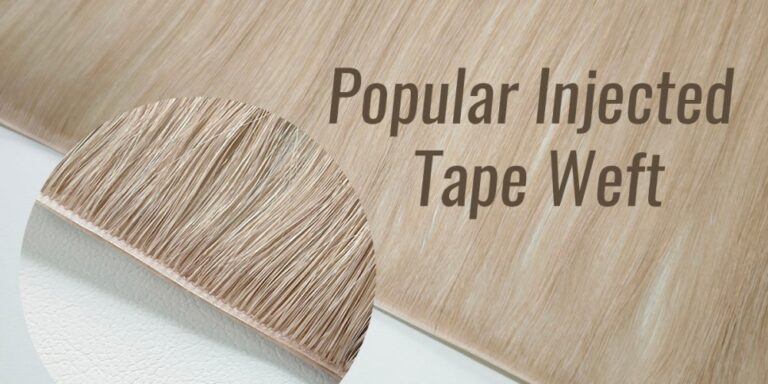
Unlike traditional machine wefts, Genius Wefts require ultra-precise sewing techniques to achieve their signature thinness and flexibility.
Characteristics of a true Genius Weft stitch:
- Extremely thin seam
- Flat, smooth stitching
- No bulky binding or return hair
- High-density lock stitch that prevents shedding
- Uniform tension for maximum flexibility
Specialized industrial sewing machines are used, and each batch is monitored by experienced technicians who adjust tension and stitch width in real time.
Step 5: Return Hair Removal (Zero Mustache Finish)
Traditional machine wefts leave short “mustache hairs” sticking out of the seam. Genius Wefts must eliminate this entirely.
Factories use a special process to:
- Remove or smooth down return hairs
- Flatten the seam
- Ensure comfortable wear for sensitive scalps
This step dramatically improves comfort and allows the wefts to lie flatter than traditional extensions.
Step 6: Reinforcement and Cuttable Weft Technology
One of the biggest selling points of Genius Wefts is that they can be cut anywhere without fraying. Achieving this requires expertise.
How hair factories create cuttable wefts:
- Apply a light, flexible bonding agent to seal the seam
- Avoid heavy glue or thick coatings
- Strength-test each section
- Ensure the weft remains soft and natural
This seal allows stylists to customize extensions for any head shape or installation method.
Step 7: Color Matching, Toning, and Final Finishing
Once the wefts are fully constructed, the next step is ensuring perfect color.
High-quality factories use:
- Steam or water-based coloring systems
- Low chemical toning
- UV-stable pigments to prevent fading
- Precision color matching techniques
Popular shades like #613, balayage blends, rooted colors, and custom tones go through multiple rounds of quality checks.
After color treatment, the wefts are conditioned, dried, and shaped.

Step 8: Quality Control and Shedding Tests
Before packaging, every Genius Weft undergoes strict quality control tests.
QC Checklist:
- Seam strength and cuttability
- Strand consistency (no short filler hair)
- Zero shedding during brushing
- Even color from root to tip
- Accurate weight (50g / 100g / custom)
- Texture integrity (curl/wave pattern must hold)
- High-end factories also test:
- Heat styling tolerance
- Moisture resistance
- Stretch and tension durability
This level of QC ensures the wefts perform well during installation and daily wear.

Step 9: Packaging and Storage
Genius Wefts are packaged to protect the cuticles and maintain hair alignment.
Packaging methods include:
- Straight protective sleeves
- Moisture-controlled sealed bags
- Anti-static inserts
- Texture-safe packing for curly/kinky hair
Proper packaging ensures the wefts arrive ready for immediate installation.

Why the Manufacturing Process Matters
For stylists and salon owners, understanding manufacturing helps you make informed decisions.
High quality Genius Wefts:
- Shed less
- Last longer
- Install more easily
- Feel more comfortable for clients
- Maintain value with multiple reuses
- Low-quality versions often:
- Fray when cut
- Shed heavily
- Feel stiff or coated
- Cause discomfort
- Look bulky at the seam
When buying wholesale or in bulk, factory transparency is one of the most important indicators of quality.
Slutsats
Genius Wefts are more than just another type of hair extension, they’re the result of precise engineering, careful craftsmanship, and decades of expertise within the hair manufacturing industry. From the selection of ethically sourced, full-cuticle hair to the advanced sewing techniques that create the ultra-thin, cuttable seam, every step matters. Understanding how Genius Wefts are made empowers stylists, salons, and wholesalers to choose better products and deliver better results for their clients.
If you want to explore more about Genius Weft technology, installation methods, or wholesale manufacturing options, feel free to browse our additional resources or reach out for expert guidance.