English
  German
  Spanish
  Portuguese
  French
  Dutch
Dutch  Swedish
  Arabic
Choosing the right wholesale hair extension suppliers can affect product quality, profit margins, and customer satisfaction. Salons, wholesalers, retailers, and hair extension brands need products that meet their requirements and remain consistent across repeat orders.
A low quotation alone does not tell you whether a hair extension suppliers is the right fit. Before placing a bulk order, compare product specifications, sample quality, total purchasing costs, production arrangements, customization options, and after-sales support. Make sure each quotation covers the same product requirements so you can make a fair comparison.
Compare Wholesale Hair Extension Suppliers by Product and Sample Quality
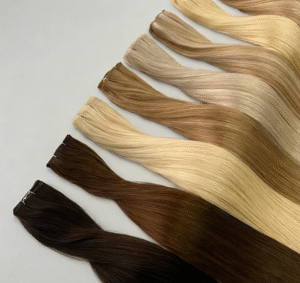
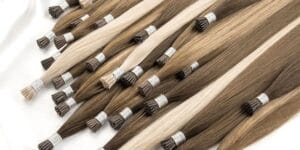
Before contacting hair extension suppliers, define what you need. Confirm the hair type and processing method, length, weight, color, density, attachment method, packaging, customization requirements, and order quantity. Product names do not always describe the actual construction, so ask for clear specifications when comparing K Tip, Flat Tip, Nano Tip, weft, tape-in, or clip-in extensions.
Order samples before committing to a large purchase. Check the texture, shedding, tangling, thickness from the top to the ends, color, and attachment construction. If the hair is colored or bleached, pay close attention to its condition and feel. Wash the sample according to the supplier’s care instructions and note whether its appearance or texture changes. You can also test normal heat styling within the recommended temperature limits, while keeping direct heat away from bonds or attachment areas that should not be heated.
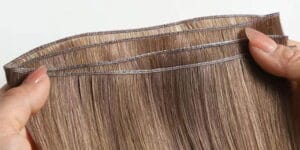
Inspect the construction according to the product type. For weft extensions, check the stitching, edges, density, and shedding. For tape-ins, examine the tape area and attachment. For K Tip or Flat Tip extensions, assess the tip or bond based on the product’s design. For clip-ins, check the clips, seams, and weight distribution. A sample should help you understand how the product performs in normal use, not just how it looks in a photograph.
< Related Article: How to Choose a Reliable Hair Extension Manufacturer>
Check Supplier Consistency Before Repeat Orders
A good sample does not guarantee that every future order will be the same. Consistency is especially important when a salon needs to reorder a shade for a returning client or a wholesaler needs to keep a product line consistent.
Ask how the suppliers checks color, length, weight, texture, density, shedding, construction, and packaging during production. Confirm the agreed specifications in writing and keep an approved sample as a reference for repeat orders. It is also worth asking how the supplier handles batch differences and what happens if the finished products do not meet the agreed requirements. The goal is not to expect every strand to be identical, but to keep each order within the standards you approved.
< Related Article:How to Order Hair Extension Samples from a Manufacturer>
Compare Wholesale Hair Extension Suppliers Costs
Compare quotations only after confirming that the product details match. Along with the unit price, check the minimum order quantity, sample fees, customization charges, packaging, labels, shipping, payment fees, and any import-related costs that may apply.
A lower unit price may come with a larger minimum order or exclude costs that another supplier has already included. Quality problems can add further expenses through replacements, returns, extra shipping, customer complaints, and lost sales. Compare the full purchasing cost and the potential business risk rather than choosing the lowest number on a quotation.
< Related Article:How Much Do Hair Extensions Cost?>
Compare Types of Wholesale Hair Extension Suppliers
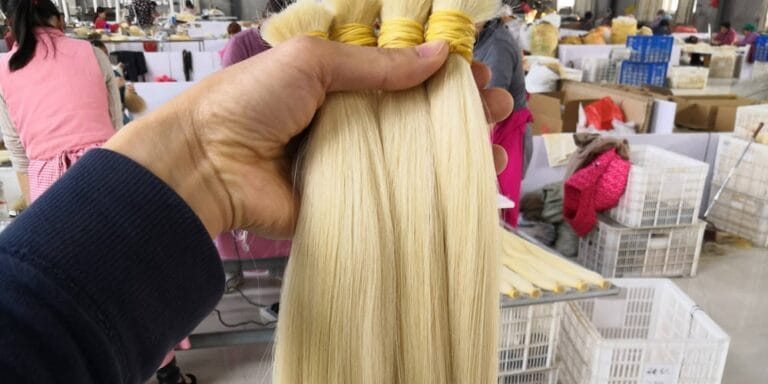
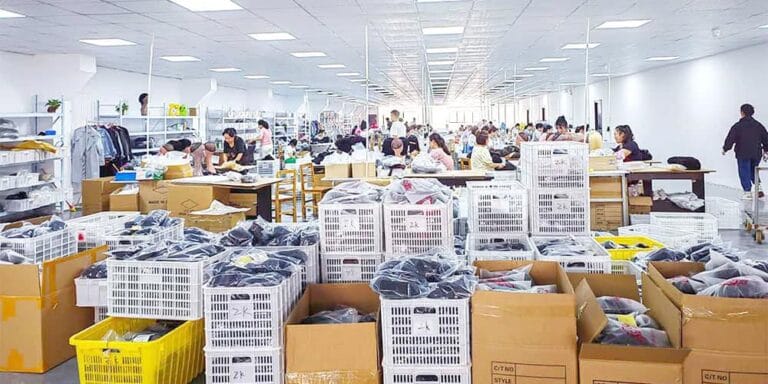
A direct factory or manufacturer may offer more direct communication about product specifications, production, quality checks, packaging, and customization. This can suit buyers who need repeat orders, private-label packaging, custom colors, or closer coordination. Depending on the product and order size, a factory may have minimum quantities or a more detailed sample-approval process.
A trading company may source from several factories and offer a wider selection, which can be useful when you need different product categories. A distributor or reseller may work well for smaller purchases of standard products, but may have less control over manufacturing and customization. Ask who makes the products, which parts of the order are handled directly, and how quality is checked. The right option depends on your order size, product requirements, and future plans.
< Related Article:Different Types of Hair Extensions: A Complete Guide>
Review Product Range and Customization Options
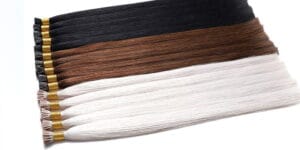
Choose a hair extension suppliers that can meet your current needs without making future sourcing unnecessarily difficult. Depending on your business, you may need weft, tape-in, K Tip, Flat Tip, clip-in, or other extension types. A broader product range can make reordering easier, but each product should still be evaluated against its own specifications and sample quality.
If you are developing your own brand, discuss OEM and private-label requirements before ordering. Confirm whether the supplier can support custom colors, packaging, labels, logo files, sample approval, and repeat production. Clarify what can be changed, which samples need approval, and how modifications are handled after approval instead of relying on a general promise of customization.
Confirm Production and Delivery with Your Hair Extension Suppliers
Ask for a realistic schedule based on the product, quantity, customization, and destination. A customized order may involve product discussion, sample preparation, approval, manufacturing, quality checks, packaging, and shipment. Production time and shipping time are separate, so confirm both.
If you expect regular or larger orders, discuss your estimated volume before relying on the supplier for inventory. A supplier may handle a small trial order well but need additional planning for larger or more frequent orders. Where the supplier’s terms allow it, a smaller first order can help you assess product quality, communication, and service before increasing your order volume.
Evaluate Supplier Communication and After-Sales Support
The conversation before an order often shows how a supplier handles details. Notice whether answers are direct, product information stays consistent, and important terms are confirmed in writing. Unclear communication can lead to problems with colors, weights, packaging, delivery, or customization.
Before ordering, ask how damaged or non-conforming products should be reported, how soon the supplier must be contacted, what evidence may be required, and what solutions may be available. A clear complaint process is more useful than a general promise to provide good service.
< Related Article:Wholesale Human Hair Extensions: Complete B2B Guide>
Warning Signs When Comparing Wholesale Hair Extension Suppliers
Be cautious if a hair extension suppliers refuses to provide samples, cannot explain basic specifications, gives inconsistent answers, offers an unusually low price without clarifying what is included, or avoids confirming important terms in writing. It is also worth investigating if the supplier cannot explain who manufactures the products or makes broad customization promises without discussing the actual requirements.
One unclear answer does not automatically mean a supplier is unsuitable. However, several problems appearing together should be resolved before you place a large order.
Choose the Right Wholesale Hair Extension Suppliers for Your Business
A salon may focus on color accuracy, product quality, suitable attachment methods, flexible quantities, and reliable reorders. A wholesaler or retailer may place more weight on total cost, product range, production capacity, and consistent stock. A hair extension brand may need private-label packaging, custom colors, sample approval, and support for repeat production.
Before confirming a bulk purchase, agree on product specifications, quantity, colors, packaging, payment terms, production schedule, and delivery arrangements. Compare each supplier against your actual business needs rather than using price as the only standard.
< Related Article:How to Choose a Hair Extension Suppliers for a Salon?>
FAQs About Wholesale Hair Extension Suppliers
What should I look for in a wholesale hair extension suppliers?
Look for suitable product quality, clear specifications, consistent production, transparent pricing, realistic production and shipping arrangements, responsive communication, and a practical process for handling quality problems.
Should I order samples before buying wholesale hair extensions?
Yes. Samples let you check texture, shedding, tangling, thickness, construction, and performance before making a larger commitment. They also give you a chance to assess the supplier’s communication and order process.
How do I compare wholesale hair extension suppliers prices?
First confirm that the products have the same hair type, processing method, length, weight, color, density, attachment method, packaging, and quantity. Then compare the total cost, including sample fees, customization, shipping, payment fees, and other applicable expenses.
What is the difference between a factory and a trading company?
A factory or direct manufacturer may provide more direct communication about production, specifications, quality checks, and customization. A trading company may source from several factories and offer a wider selection. The suitable option depends on your order requirements.
What should I confirm before placing a bulk order?
Confirm the product specifications, quantity, colors, packaging, customization, payment terms, production stages, quality-check process, shipping arrangements, and procedure for reporting quality problems.
Final Thoughts
When comparing wholesale hair extension suppliers, look beyond the unit price. Review samples, confirm specifications, check construction and performance, and put important details in writing. A suitable supplier should be able to explain its products, production process, customization options, quality checks, and after-sales procedures clearly.
If you are sourcing wholesale hair extensions or exploring private-label options, prepare your product type, quantity, color, packaging, and customization requirements before making an inquiry. Contact Shiny Hair Factory to discuss suitable options for your business, clarify order requirements, and ask about samples before making a larger commitment.