English
  German
  Spanish
  Portuguese
  French
  Dutch
Dutch  Swedish
  Arabic
If you’ve been searching for damage free hair extensions, you’re not alone. It’s one of the most common questions people ask before trying extensions for the first time. The honest answer is that no hair extension method is completely damage free. Hair extensions don’t automatically damage your natural hair, but the wrong method, excessive weight, poor installation, or lack of regular maintenance can put unnecessary stress on the hair.
The good news is that many modern extension methods are designed to be lighter, more comfortable, and gentler on natural hair when used correctly. Choosing an extension that suits the client’s hair type, density, and condition, then having it installed and maintained by a professional, can help reduce the risk of breakage and other problems.
The healthiest results don’t come from finding one “perfect” extension method. They come from choosing the right method, weight, and installation technique for the individual client’s hair and maintaining the extensions properly over time.
What Actually Causes Hair Extension Damage?
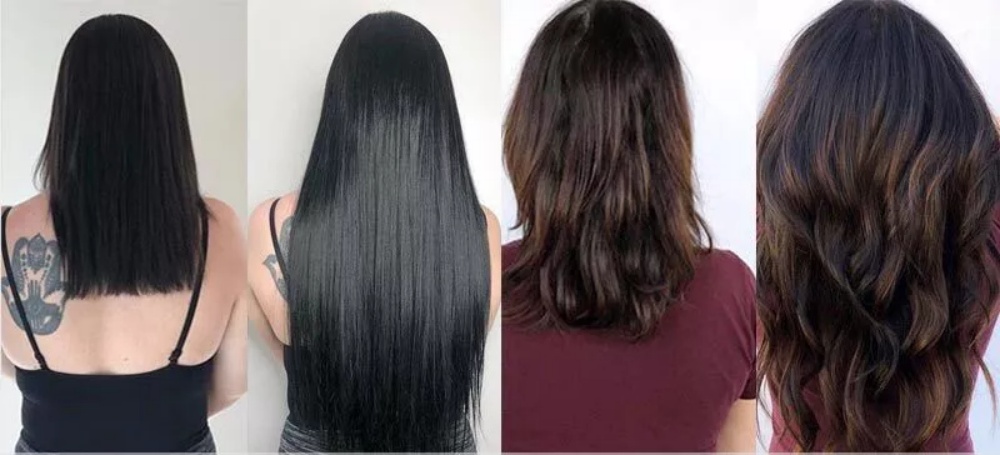
Many people assume that glue, tape, or beads are the main cause of damage, but the attachment method is only part of the picture. Natural hair is more likely to become stressed when the extensions are not suited to the client’s hair density, condition, or lifestyle. Extensions that are too heavy for the natural hair, poor installation or incorrect placement, and pulling or brushing too aggressively can all put unnecessary tension on the hair.
How the extensions are worn and removed also makes a difference. Wearing extensions longer than recommended can add extra stress as the natural hair grows, while removing extensions without professional care can cause pulling and breakage. Even high-quality hair extensions can create unnecessary tension when they are applied incorrectly or are not properly matched to the client’s hair.
On the other hand, a lightweight extension method installed by an experienced stylist and maintained properly can be surprisingly gentle on natural hair. In many cases, the installation, weight, placement, and maintenance have just as much to do with the result as the extension method itself.
< Extended Reading: What Hair Extension Method Is the Best? >
The Top 5 Damage Free Hair Extensions
While no method is completely risk-free, some damage free hair extensions options place far less stress on natural hair than others.
Halo Hair Extensions
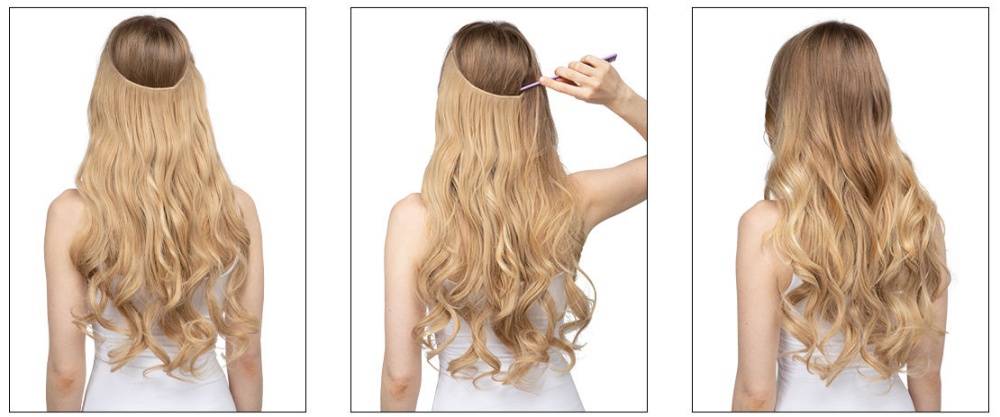
If protecting your natural hair is a priority, Halo Hair Extensions can be a gentle option to consider. Instead of attaching directly to individual strands, the extension is supported by a thin, adjustable wire that sits comfortably around the head. Your natural hair is then pulled over the wire, creating a seamless look without glue, tape, clips, or individual bonds.
Best for: Fine hair, Sensitive scalps, Beginners, Occasional wear. Since the extension is not attached directly to individual strands, there is less pulling on the natural hair compared with methods that use individual bonds or attachments. This makes Halo extensions a convenient choice for clients who want extra length or volume without wearing a semi-permanent extension method.
<Related Article:Different Types of Hair Extensions: A Complete Guide>
Clip-In Hair Extensions
Clip-In Hair Extensions remain a popular temporary option because they are quick and easy to use. They can be applied in minutes, removed before bed, and used without glue, tape, or other adhesives. When worn occasionally rather than every day, they can put less stress on the natural hair than many semi-permanent methods. It also helps to vary the placement of the clips instead of attaching them to exactly the same sections each time.
Clip-Ins are a practical choice for weekends, weddings, vacations, and other special occasions. Since they can be applied and removed at home, there is no need for a salon appointment or professional installation.
Invisible Weft Hair Extensions
Invisible Weft Hair Extensions are designed with a thinner, flatter seam that sits closer to the scalp than traditional machine wefts. This makes the weft less noticeable while helping distribute the added hair more evenly. The result is a more discreet look with a comfortable feel, especially for clients with medium-density hair who want more volume without a bulky track.
The flexible construction also allows the extensions to move naturally with the client’s own hair, making everyday styling easier. For clients looking for added fullness while keeping the attachment relatively flat and discreet, Invisible Wefts can be a practical option.
Genius Weft Extensions
If you’re looking for a long-lasting option without the bulk of traditional wefts, Genius Weft Extensions are worth considering. Their thin and flexible construction creates a lighter, flatter seam that sits comfortably against the scalp while still providing plenty of volume. Depending on the product design, the weft can also be cut to the desired length without unraveling, giving stylists more freedom to adjust the fit for different sections of the head.
Best for:Medium to thick hair, Clients who wear extensions long-term, Those wanting maximum volume with minimal bulk. As with other semi-permanent methods, Genius Wefts should be installed by a professional so the weight is distributed properly and the extensions sit comfortably in the natural hair.
Tape-In Hair Extensions
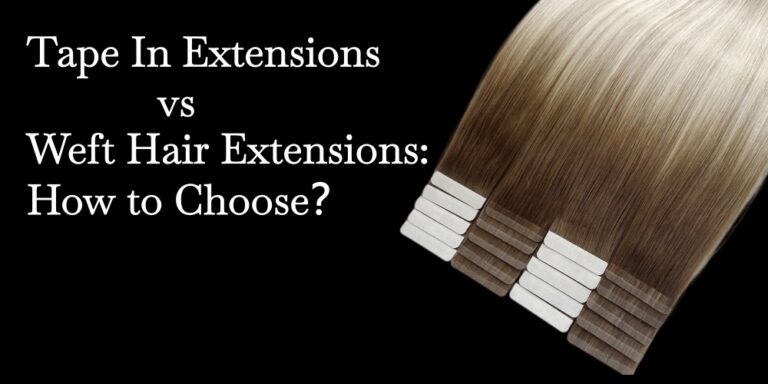
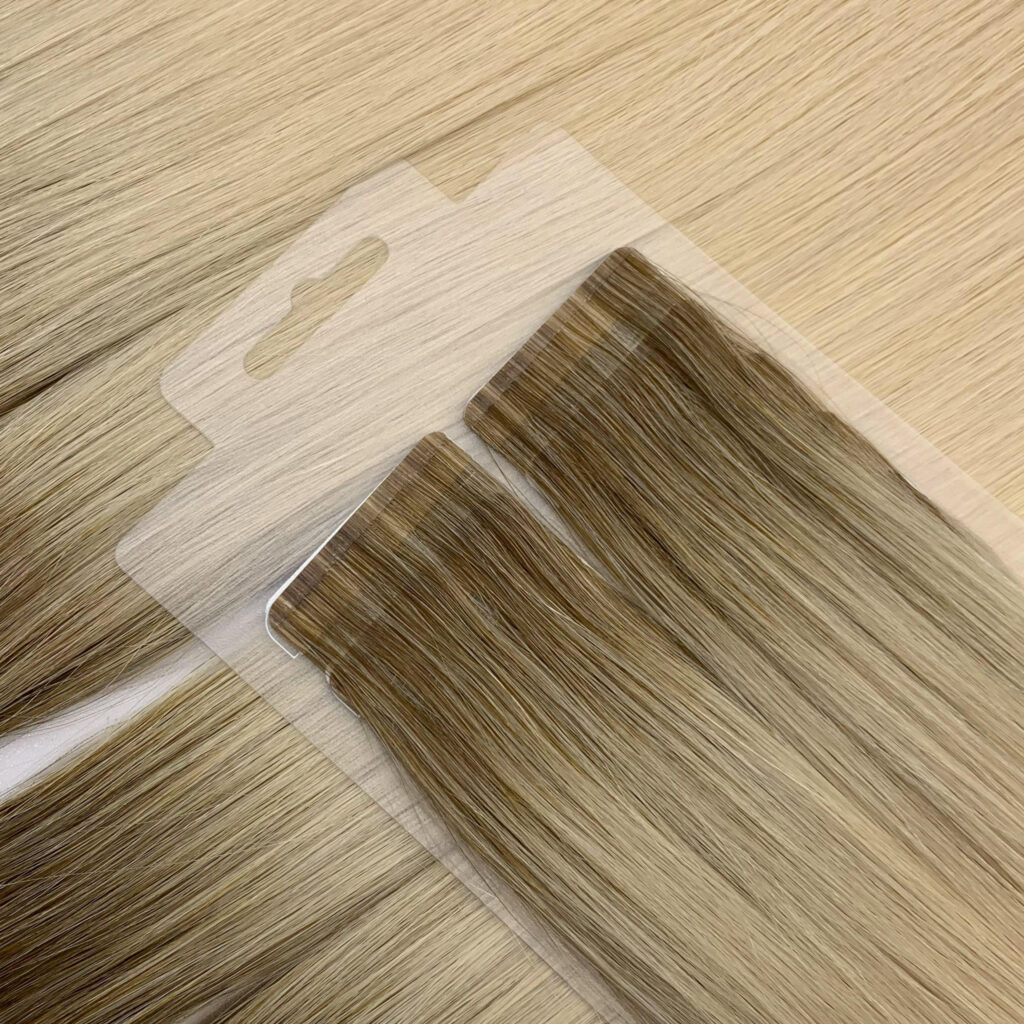
Tape-In Extensions can be a gentle option when properly installed and maintained. The adhesive tabs spread the added weight across a wider section of natural hair rather than concentrating it on individual strands. This makes them a practical choice for clients with fine to medium-density hair who want added length or volume without a bulky attachment.
Tape-Ins require regular professional maintenance, usually every 6–8 weeks, as the natural hair grows and the extensions move farther from the scalp. Best for: Fine to medium-density hair, everyday wear, and clients who want a lightweight extension method with a relatively flat and discreet attachment.
< Product Recommendation: Top 5 Damage Free Hair Extensions >
<Extended Reading: What are the Best Hair Extension for Fine Hair? >
Which Damage Free Hair Extensions Are Best for Your Hair Type?
There’s no single “best” extension for everyone. The healthiest choice depends on your hair’s density, texture, and lifestyle.
| Hair Type | Recommended Extension Method |
| Fine Hair | Halo or Tape-In Extensions |
| Thin Hair | Halo or Invisible Weft |
| Medium Hair | Tape-In or Genius Weft |
| Thick Hair | Genius Weft or Invisible Weft |
| Curly Hair | Invisible Weft (matched to curl pattern) |
| Sensitive Scalp | Halo Hair Extensions |
Choosing an extension that’s too heavy is one of the most common reasons people experience discomfort or unnecessary breakage. A professional consultation is always worth it before investing in a new method.
5 Common Mistakes That Can Damage Your Hair
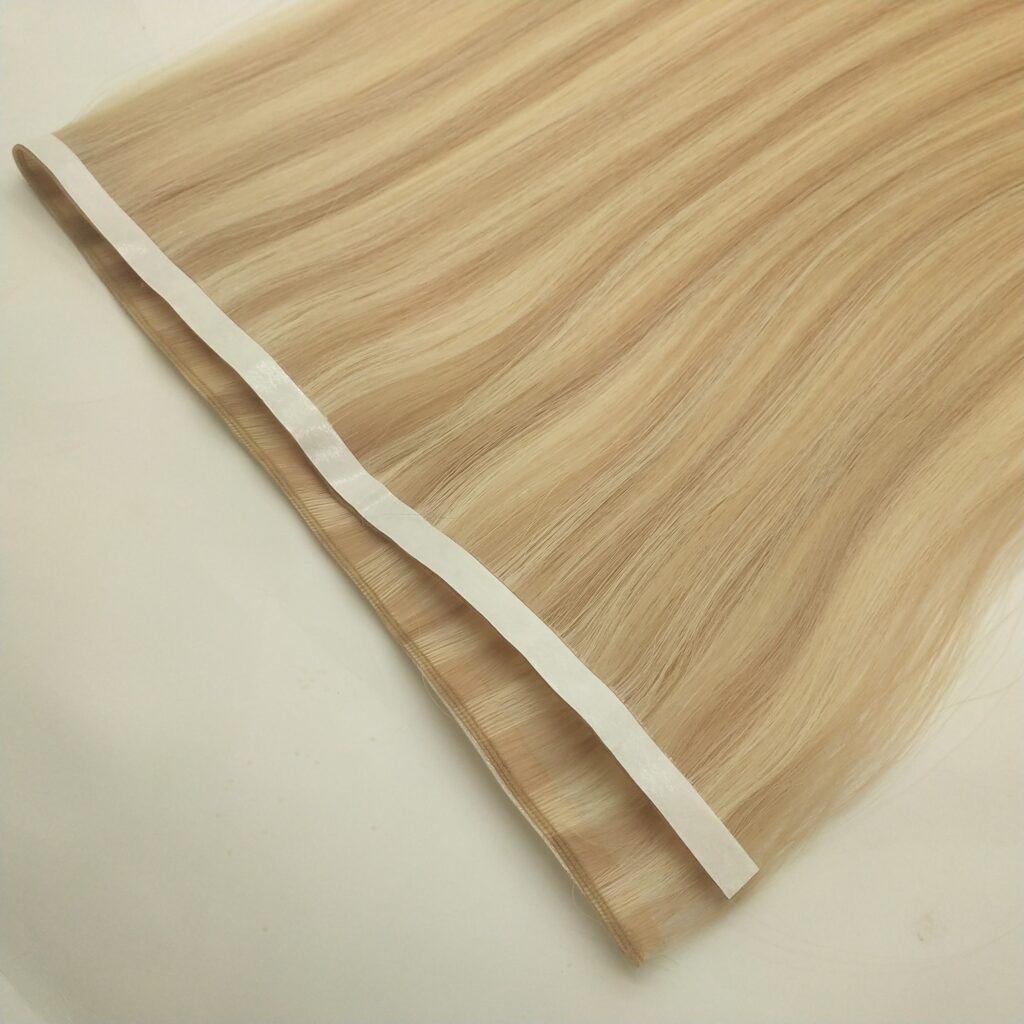
Even the gentlest hair extensions can cause problems when they are not installed, worn, or cared for properly. Choosing extensions that are too heavy for the natural hair can put unnecessary tension on the roots, while skipping regular maintenance can allow the extensions to grow out too far and become harder to manage. Daily care also matters. Sleeping with wet hair can lead to more tangling and pulling, and using too much heat without a heat protectant can affect the condition of human hair extensions. Removal is another important part of the process, as trying to take extensions out at home without the proper technique can cause unnecessary pulling or breakage.
In most cases, extension-related problems are not simply caused by the extensions themselves. The choice of method and weight, installation technique, maintenance schedule, and daily care all play a role in how the natural hair responds. With the right extension method, proper installation, and consistent aftercare, unnecessary stress on the natural hair can be reduced.
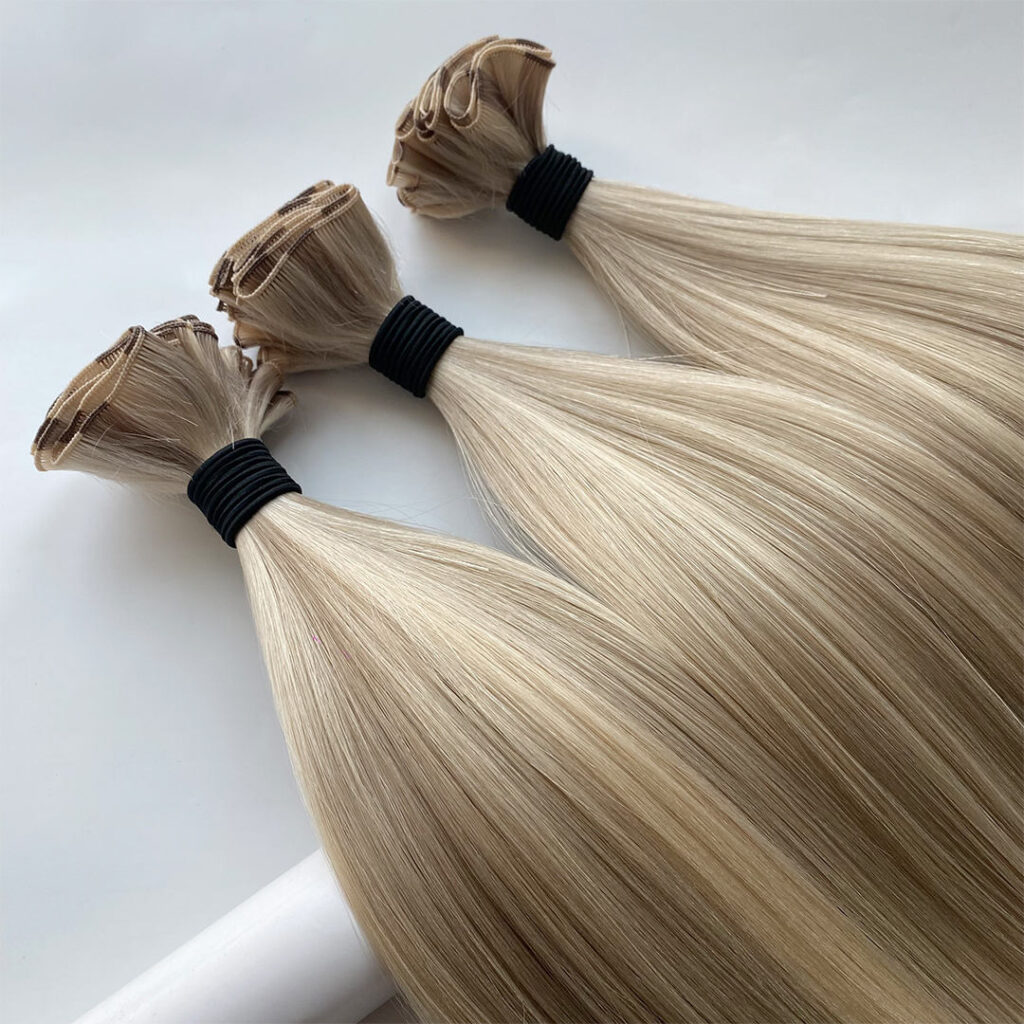
Simple Tips for Healthier Hair
Keeping your natural hair healthy while wearing extensions doesn’t have to be complicated. Start by choosing high-quality human hair extensions that are suitable for your hair type and density. When brushing, work gently from the ends upward with an extension-friendly brush, and avoid pulling or yanking through tangles. Using a sulfate-free shampoo and a lightweight conditioner can also help keep both your natural hair and extensions in good condition.
Regular maintenance is just as important as daily care. Follow your stylist’s recommended maintenance schedule and address any tangling, slipping, or discomfort early rather than waiting until the next appointment. If you frequently wear temporary extensions, such as Clip-Ins, giving your natural hair occasional breaks can also be helpful. With the right extension method and consistent care, you can enjoy your extensions while keeping your natural hair in good condition.
Final Thoughts
If you’re hoping to find damage free hair extensions, it’s important to set realistic expectations. No extension method is completely free from risk, but choosing the right method for your natural hair can make a significant difference.
For occasional wear, Halo Hair Extensions and Clip-In Hair Extensions can be gentle options because they do not require permanent attachment to individual strands. For longer wear, Tape-In, Invisible Weft, and Genius Weft Extensions can provide added length and volume when they are properly matched to the client’s hair and professionally installed.
After more than two decades of manufacturing professional hair extensions, we’ve found that healthy results come down to a few basics: choosing the right extension method, using high-quality human hair, and following proper installation and maintenance practices. The goal is not to find a completely damage-free method, but to choose an option that works well with the client’s natural hair and lifestyle.
Frequently Asked Questions
Are damage free hair extensions really possible?
Every extension method adds some weight to your natural hair. Still, selecting the best approach and caring for it correctly can reduce the chance of damage.
Which hair extension method causes the least damage?
For temporary wear, Halo hair extensionand clip-in extensions are generally considered the gentlest because they don’t use glue, heat, or permanent attachments. For semi-permanent wear, professionally installed tape-ins and lightweight wefts are excellent options.
Are Halo extensions safer than tape-ins?
Halo extensions are typically gentler because they don’t attach directly to your natural hair. Tape-ins can also be highly safe, but they require correct installation and regular maintenance.
Can I wear hair extensions without damaging my natural hair?
Yes. By choosing hair extensions suited to your hair type, having them installed correctly, and following a proper care routine, many people wear hair extensions for years while maintaining healthy natural hair.