English
 German
 Spanish
 Portuguese
 French
 Dutch
 Swedish
 Arabic

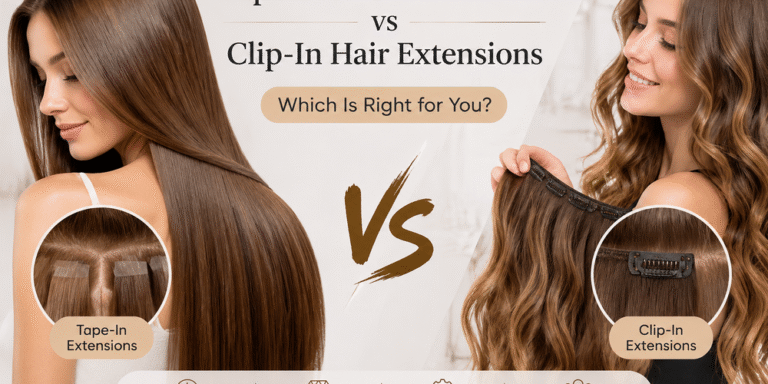
Tape-in hair extensions and clip-in hair extensions both add length and volume, but they suit different wearing habits. Tape-ins stay attached to natural hair for several weeks, while clip-ins can be applied and removed whenever needed.
For customers, the choice often comes down to how frequently they wear extensions and how much maintenance they are comfortable with. Salon owners, stylists, and wholesale buyers have other details to consider, including attachment quality, hair construction, and the needs of their clients.
What Are Tape-In Hair Extensions and Clip-In Hair Extensions?
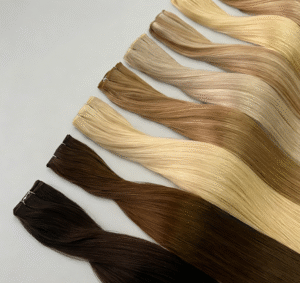
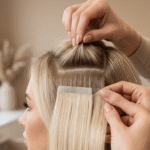
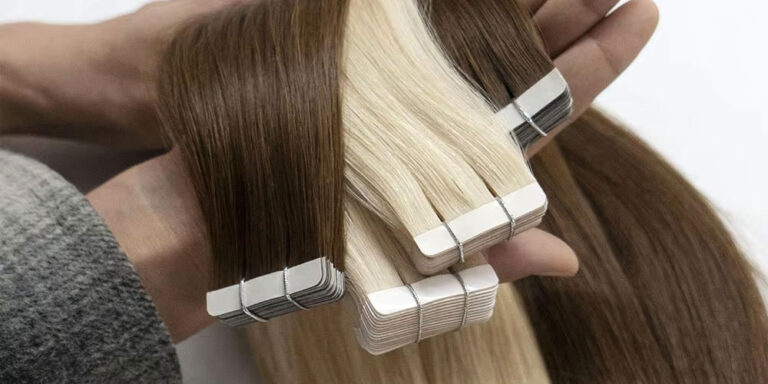
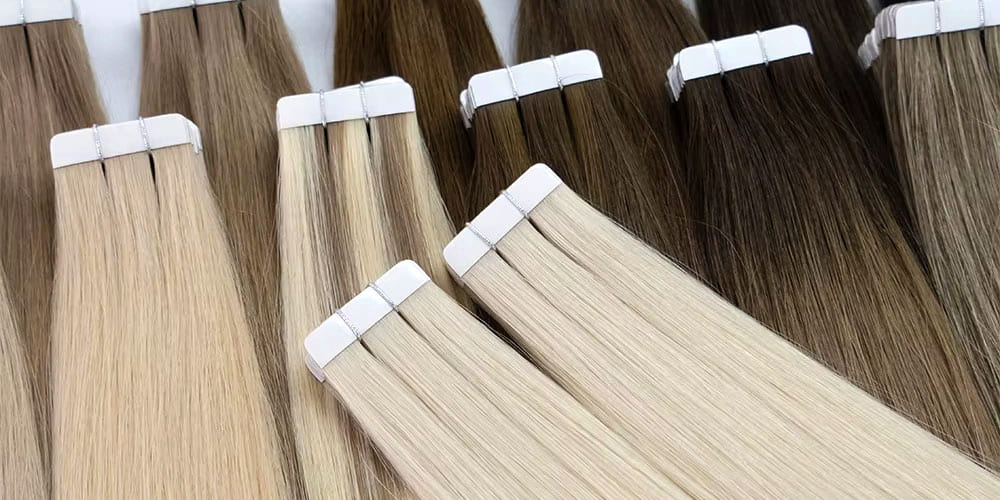
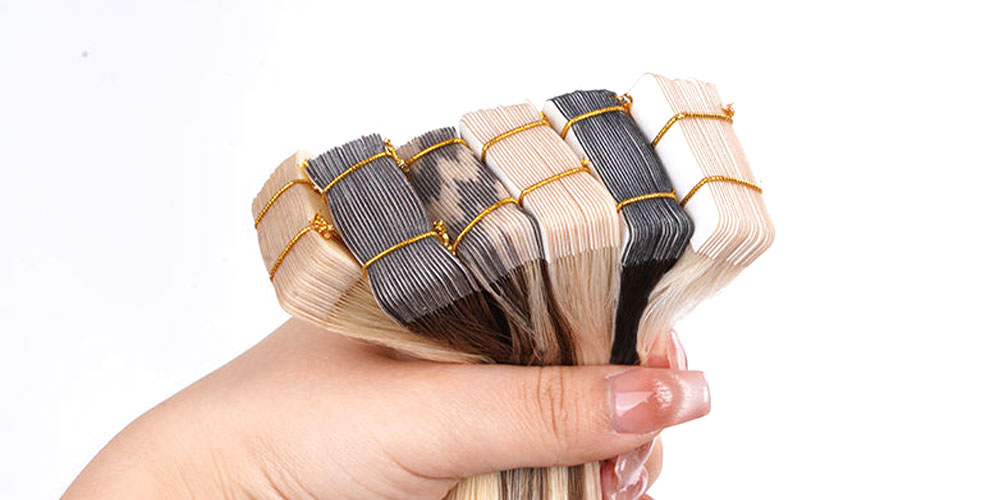
Tape-in hair extensions use adhesive strips to attach extension wefts to sections of natural hair. A small section of natural hair is placed between two adhesive tabs, creating a flat bond close to the scalp. When installed correctly, the attachments sit beneath the surrounding hair and blend into the hairstyle.
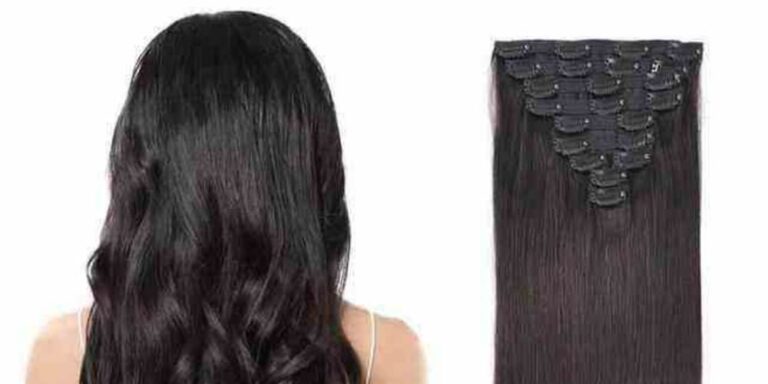
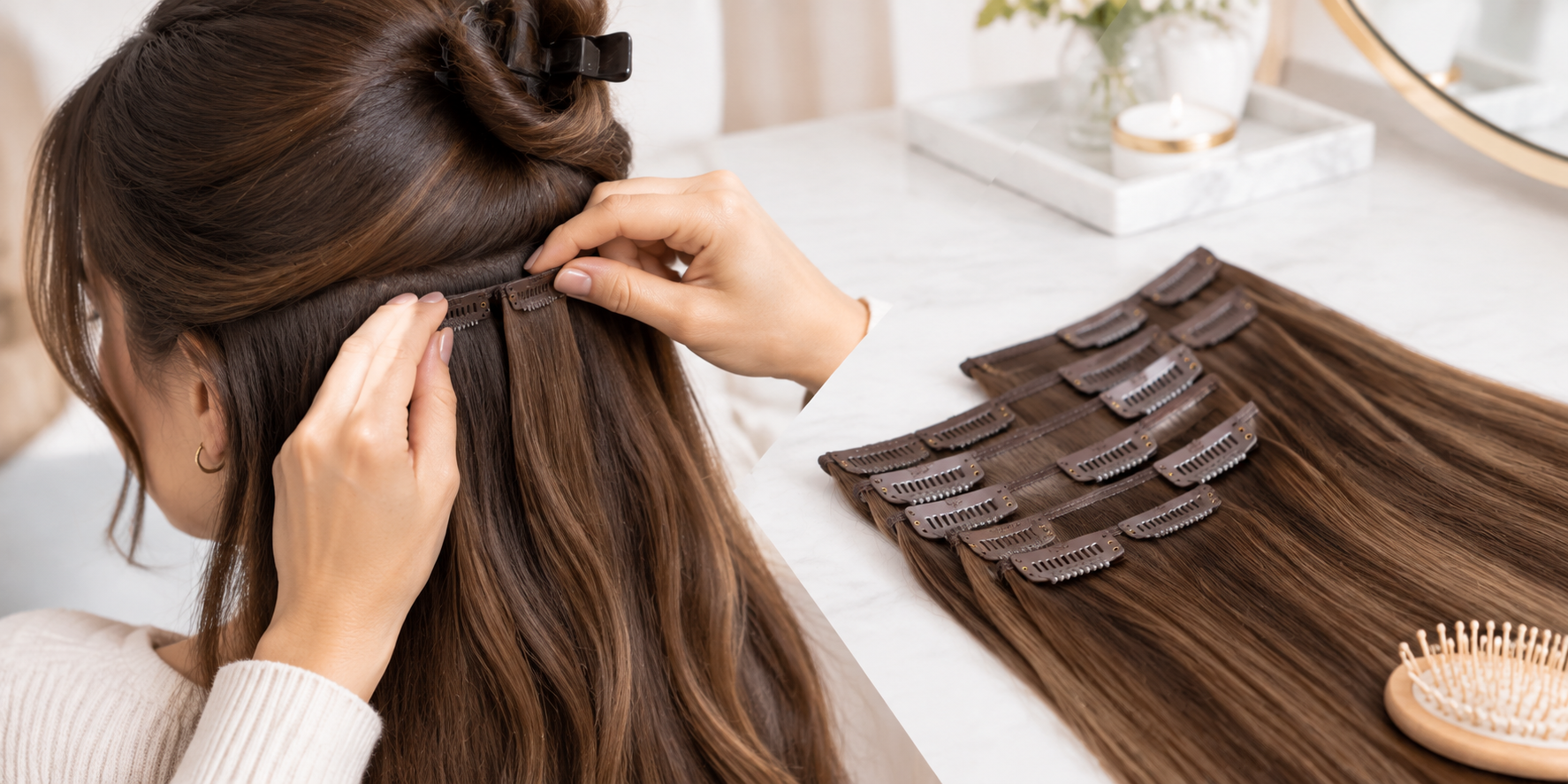
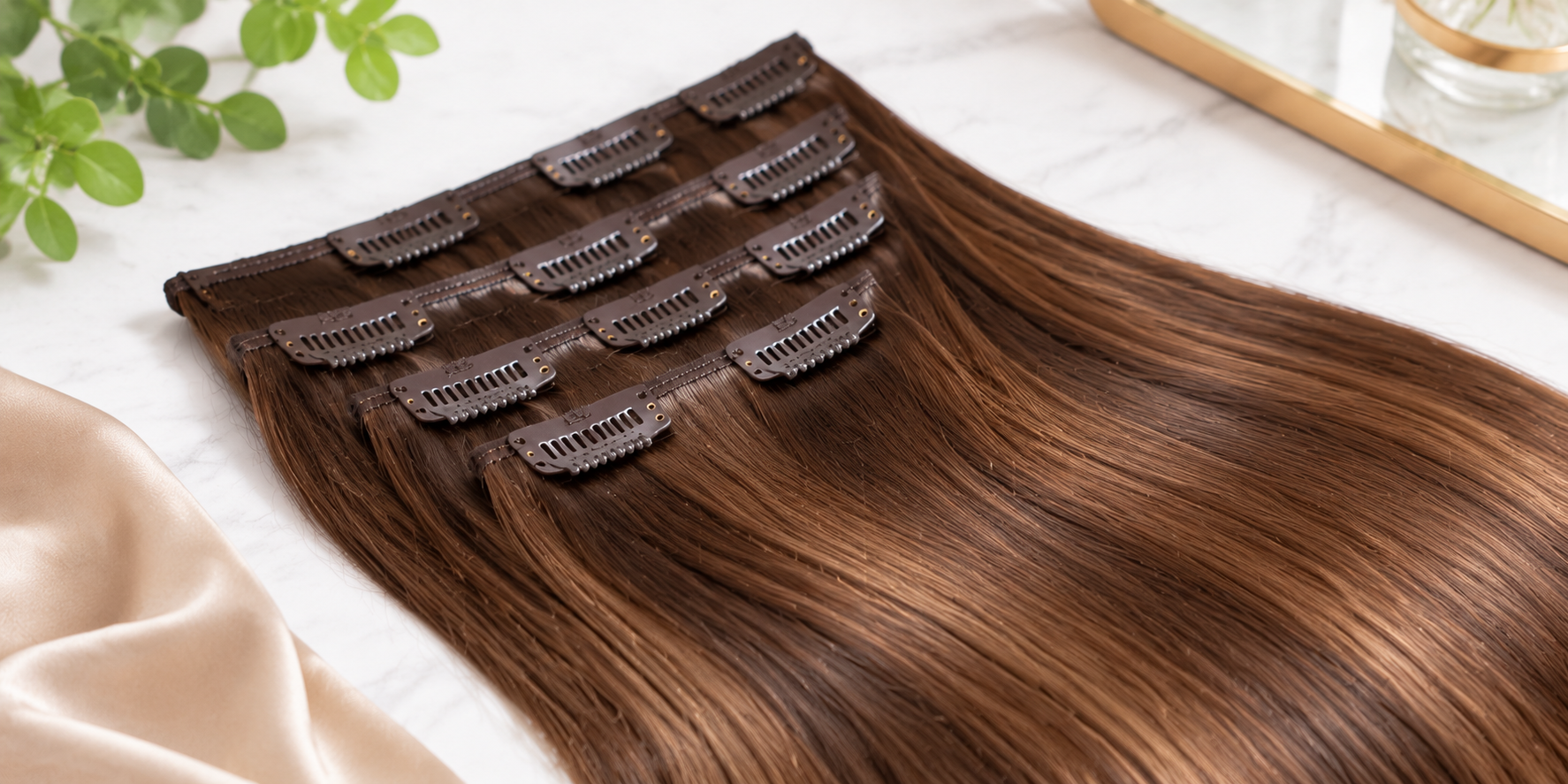
Clip-in hair extensions have small clips sewn onto individual wefts. The clips secure the extensions near the roots without adhesive or a long-term installation. Different weft sizes allow users to add volume to specific areas, such as the sides or back of the head, and remove the pieces whenever they are no longer needed.
How Tape-In Hair Extensions Work
A stylist sections the natural hair and places each extension piece around a suitable section, making sure the adhesive bonds hold securely without trapping too much or too little hair. Proper placement helps the bonds lie flat and reduces unnecessary tension on natural strands.
Tape-in extensions commonly need to be moved up after around 6 to 8 weeks, depending on natural hair growth, installation, and the manufacturer’s recommendations. During maintenance, a stylist removes the extensions, cleans away adhesive residue, applies fresh replacement tape, and repositions the pieces.
< Product Recommendation: Invisible Tape in Hair Extensions>
< Related Article: Tape In Hair Extensions 101: Everything You Need to Know Before Buying >
How Clip-In Hair Extensions Work
Clip-in extensions are attached by opening the clips, positioning each weft near the roots, and snapping the clips shut. Different weft widths make it possible to cover larger or smaller areas, allowing users to adjust the amount of added hair to suit their hairstyle.
They do not require professional installation, although some practice helps achieve an even result. Clip-ins should be removed before sleeping and stored carefully after use to protect the clips, stitching, and hair.
< Product Recommendation: Clip in Hair Extensions>
< Related Article:The Ultimate Guide to Clip In Hair Extensions>
Tape-In Hair Extensions vs Clip-In Hair Extensions: Key Differences
The two methods differ in installation, appearance, comfort, and ongoing care. These differences affect the wearing experience as well as the amount of time and money customers need to spend maintaining their extensions.
Installation and Wearing Time
Tape-in extensions require a salon appointment and remain attached between visits. They suit customers who want added length and volume without applying extensions every day. Clip-ins can be installed at home in a shorter time, but users need to position the wefts each time they wear them.
Appearance and Comfort
Tape-in bonds lie close to the scalp and can be difficult to notice when correctly installed and matched to the natural hair. Clip-in wefts can also be concealed with suitable placement, although clips may become visible around the sides or crown if they sit too close to the surface. Comfort with either method depends on extension weight, placement, and how much natural hair supports the attachments.
Maintenance and Cost
Tape-in extensions require regular salon maintenance, including removal, fresh tape application, and repositioning. The initial service and follow-up appointments add to the overall cost. Clip-ins involve fewer salon visits, but the clips, stitching, and hair still need proper care. For customers who only wear extensions occasionally, clip-ins may be the more convenient option.
Pros and Cons of Tape-In Hair Extensions
Tape-in hair extensions are a popular choice for people who wear extensions regularly. Their flat attachment points allow natural hair to fall over the bonds, creating a smooth finish. With suitable sectioning and extension weight, they can add length and volume without making the attachments overly noticeable.
Regular maintenance is the main commitment. Tape-ins need to be moved up as natural hair grows, and the adhesive must be handled carefully during removal and reinstallation. Oil and conditioner applied too close to the bonds may weaken adhesion, while rough removal can lead to tangling or breakage. Customers also need to follow suitable washing, brushing, and drying practices to keep the attachments in good condition.
< Related Article:How Long Do Tape In Hair Extensions Last?>
< Related Article:How to Remove Tape In Hair Extensions?>
Pros and Cons of Clip-In Hair Extensions
Clip-in hair extensions offer flexibility without a long-term installation. Customers can wear them for everyday styling, special occasions, or photoshoots, then remove them when no longer needed. Since the wefts are separate pieces, users can choose how much volume to add instead of wearing a full set every time.
Repeated installation and removal make clip and stitching quality important. Clips that are too tight or placed on sections with insufficient natural hair may cause pulling and discomfort. Heavy wefts can also be difficult to conceal in fine hair. Loose clips, weak stitching, or uneven hair distribution can affect how securely the extensions stay in place and how long they last.
Which Hair Extension Method Is Better for Different Hair Types?
Fine or thin hair needs careful consideration because extension weight and placement can affect natural strands. Lightweight tape-in pieces may blend well when installed with suitable section sizes, but using too much hair can place unnecessary tension on delicate strands. Clip-ins can also work for fine hair when the wefts are lightweight and the clips are secure without being too tight.
People with medium or thick hair may have more flexibility when choosing between the two methods. Tape-ins provide a consistent look between salon appointments, while clip-ins allow users to change their hairstyle whenever they want. Hair condition matters just as much as density. If natural hair is fragile, damaged, or already breaking, a stylist should assess its condition before recommending either type of extension.
How to Choose Between Tape-In Hair Extensions and Clip-In Hair Extensions
How often the extensions will be worn is a good starting point. Customers who want added length and volume throughout the week may prefer tape-ins because the extensions stay in place between salon visits. Those who only need extra hair occasionally may find clip-ins easier to manage. The time available for maintenance and access to regular salon appointments are also worth considering.
Hair quality and product construction affect the final result as well. Human hair extensions offer a natural appearance and greater styling flexibility than synthetic alternatives. Remy human hair has cuticles aligned in the same direction, which helps reduce tangling when the hair is properly processed and maintained. Before purchasing, check the hair’s thickness from root to ends, color match, length, and total weight. These details influence how well the extensions blend with natural hair.
< Related Article:Tape-In Hair Extensions Aftercare: What Salons Should Explain to Clients>
Tape-In and Clip-In Hair Extensions for Salons and Wholesale Buyers
For salons, stylists, distributors, and hair extension brands, offering both methods can serve customers with different budgets and wearing habits. Tape-in extensions suit businesses that provide professional installation and maintenance services. Clip-ins offer a ready-to-wear option for customers who prefer to manage their own styling. Carrying both products gives businesses more flexibility when recommending extensions and developing a product range.
Product checks should reflect the construction of each method. For tape-ins, buyers should examine adhesive performance, tape width, bond consistency, and weft construction. It is also worth checking whether replacement tape is compatible with the extensions and easy to apply during maintenance. For clip-ins, clip strength, smooth opening and closing, stitching quality, and even hair distribution all deserve attention. Clips should remain secure after repeated opening and closing. Both products should have consistent hair quality, accurate colors, reliable lengths, and stable specifications between batches. These details matter to businesses that depend on reliable products and repeat orders.
Frequently Asked Questions
Are Tape-In Hair Extensions Better Than Clip-In Hair Extensions?
Neither method is better for everyone. Tape-ins suit customers who want extensions to stay in place for several weeks, while clip-ins are a better fit for those who prefer temporary styling and easy removal.
Can Tape-In Hair Extensions Be Reused?
Yes, the hair can often be reused if it remains in good condition. A stylist needs to remove the old adhesive, clean the attachment area, apply fresh replacement tape, and reinstall the extensions. How many times the hair can be reused depends on its quality, maintenance, and overall condition.
Can Tape-In and Clip-In Hair Extensions Both Be Made With Remy Human Hair?
Yes. Both methods can be made with Remy human hair. The attachment method does not determine hair quality. Buyers should check the hair source, cuticle alignment, processing, and consistency rather than assuming all human hair extensions meet the same standard.
Which Hair Extension Method Is Better for Salons to Offer?
Offering both gives salons more flexibility. Tape-ins serve clients who want a longer-term installation and regular maintenance, while clip-ins appeal to customers looking for a removable option. The right product range depends on the salon’s clientele, services, and budget.
Find the Right Hair Extensions for Your Business
Tape-in and clip-in hair extensions serve different needs. The right choice depends on the customer, the intended use, and the quality of the product. For salons and professional buyers, reliable hair quality, well-made attachments, and consistent specifications are just as important as the extension method itself.
At Shiny Hair Factory, we offer human hair extensions for salons, distributors, and hair brands, with options across different methods, lengths, colors, and specifications. Whether you are sourcing tape-in extensions, clip-in extensions, or developing a wider product collection, our team can help you explore suitable wholesale options.